
How can technology help prevent car accidents? This is a crucial question for every driver, passenger, and pedestrian.
Every day, car accidents claim lives and cause injuries worldwide. The good news is that amazing new technologies are now available. These tools offer powerful ways to prevent car accidents and make our roads safer for everyone. From features already in your car to futuristic systems on the horizon, innovation is leading the charge. This article explores the key technologies working to prevent car accidents, how they function, and why they are becoming essential for modern driving safety.
From Surviving Crashes to Preventing Them
For decades, car safety focused on what happens during a crash. Think seatbelts, airbags, and crumple zones. These are called passive safety features. They are vital and have saved millions of lives. But the next big leap is in active safety. The goal is to prevent car accidents from happening in the first place. Technology is the key driver here. It gives cars the ability to "see," "think," and "act" faster than a human driver ever could.
Your Car’s Built-In Guardian Angels: ADAS
Let's start with Advanced Driver-Assistance Systems, or ADAS. You might already have some of these in your vehicle. They are the frontline soldiers in the fight to prevent car accidents.
- Automatic Emergency Braking (AEB): This is a game-changer. The system uses sensors to watch the road ahead. If a crash is coming and you don’t react, it can hit the brakes for you. This is a direct way to prevent car accidents, especially rear-end collisions.
- Forward Collision Warning (FCW): This is AEB’s alert partner. It gives you a loud beep or flash if you’re too close to the car in front. It’s a nudge to pay attention.
- Blind Spot Monitoring (BSM): Those little lights on your side mirrors? They light up when a car is hiding beside you. This tech helps prevent car accidents during lane changes.
- Lane Keeping Tech (LDW & LKA): Lane Departure Warning beeps if you drift. Lane Keeping Assist can gently steer you back. It’s great for tired or distracted drivers.
- Adaptive Cruise Control (ACC): This smart cruise control keeps a safe distance from the car ahead. It automatically slows down and speeds up with traffic. This cuts fatigue and helps prevent car accidents in sudden stops.
These ADAS features are now common in new cars. This is great news for road safety.
Seeing the Unseeable: The Power of Cameras
The backup camera is now a must-have. It shows you what’s directly behind your car. This has saved many lives, especially kids and pets.
But standard cameras need light. What about night driving, or bad weather like rain and fog? This is a huge weakness for both cameras and people. Here, a special technology changes the game: thermal imaging.
Thermal cameras see heat, not light. They can spot people, animals, or cars in total darkness. They also see through glare, light fog, and snow. A good thermal camera gives you extra seconds to react. Those seconds are what you need to prevent car accidents. For night or country road driving, it’s a top safety upgrade.

Fighting Distraction with Smarter Tech
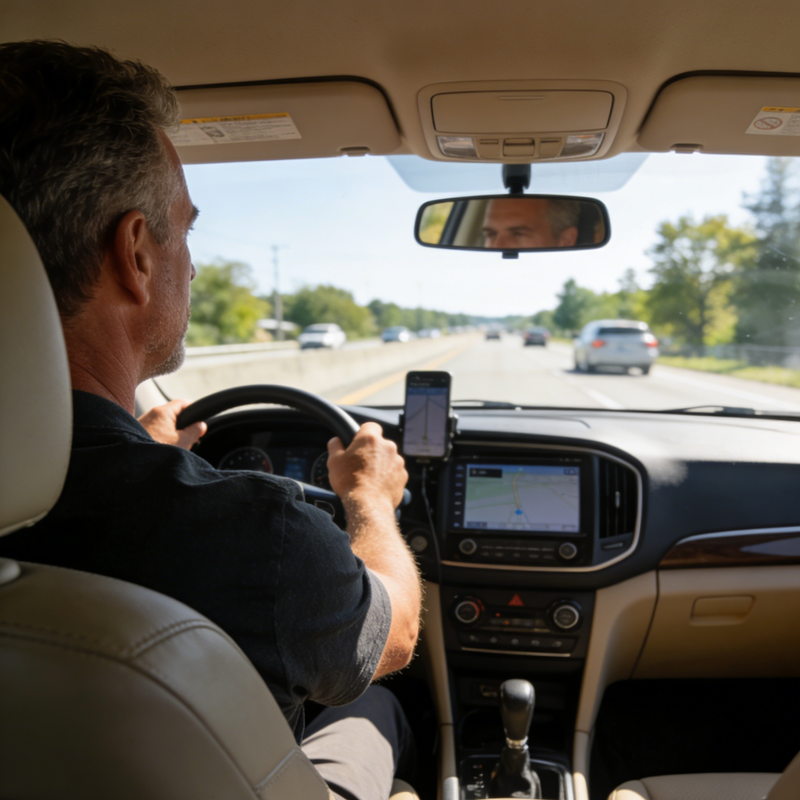
Our phones are a big driving risk. But technology is also fighting back.
Systems like Apple CarPlay and Android Auto put your phone on the car screen. They use simple menus and voice commands. This keeps your eyes on the road more.
Your phone itself has a “Do Not Disturb While Driving” mode. Turn it on. It silences texts and calls. This free tool can really help prevent car accidents caused by phones.
There are also insurance apps. They track your driving habits like hard braking. They give you tips to drive smoother. Safe driving can even earn you discounts. It turns your phone into a safety coach.
The Talking Car Revolution: V2X Communication
What if cars could talk to each other and to traffic lights? That’s V2X communication.
With V2V (car-to-car), vehicles share speed and position data. If a car far ahead brakes hard, your car gets a warning. This could prevent huge chain-reaction crashes.
With V2I (car-to-infrastructure), your car gets info from traffic lights or road signs. It could warn you about a red light or an icy patch ahead. This connected world is a smarter way to prevent car accidents.
The Future on the Road: Self-Driving Car Tech
The big dream is the self-driving car. It could remove human error, the main cause of crashes. While full self-driving cars are still coming, their technology is already helping us.
Self-driving cars use sensors to see everything around them. They never get tired or look away. As this tech gets better, it teaches us how to build safer cars for today. The journey to autonomy is creating new tools to prevent car accidents.

The Human Factor: Staying in Control
Remember, technology helps you drive, it doesn’t replace you. You must stay alert and keep your hands on the wheel.
New driver monitoring systems watch you. A small camera checks if you’re looking away or getting sleepy. It then alerts you to focus. This combo of human and machine attention helps prevent car accidents.
Knowledge is Power: Using Tech the Right Way
For tech to work, you need to use it right. Learn what your car’s safety features can and cannot do. A system might not see everything in every condition. Always be ready to take control. Also, keep those sensors and cameras clean. A dirty camera is a blind camera.
Working Together for Safer Roads
Safe roads are a team effort. It’s about smarter cars and smarter drivers. Governments, insurance companies, and car makers all have a role. By embracing new technology, we all help create safer streets.
Conclusion: Our Tech-Powered Safety Shield
So, how can technology help prevent car accidents? The answer is clear. It gives us better vision, faster reflexes, and critical warnings. From common ADAS to advanced thermal vision, tech tackles our human limits. It fights distraction and fatigue. By using these tools wisely, we take active steps to protect ourselves and others. The mission to prevent car accidents is ongoing, and technology is our strongest partner in this fight.
Bringing High-Tech Safety to Every Vehicle: The Robofinity Example
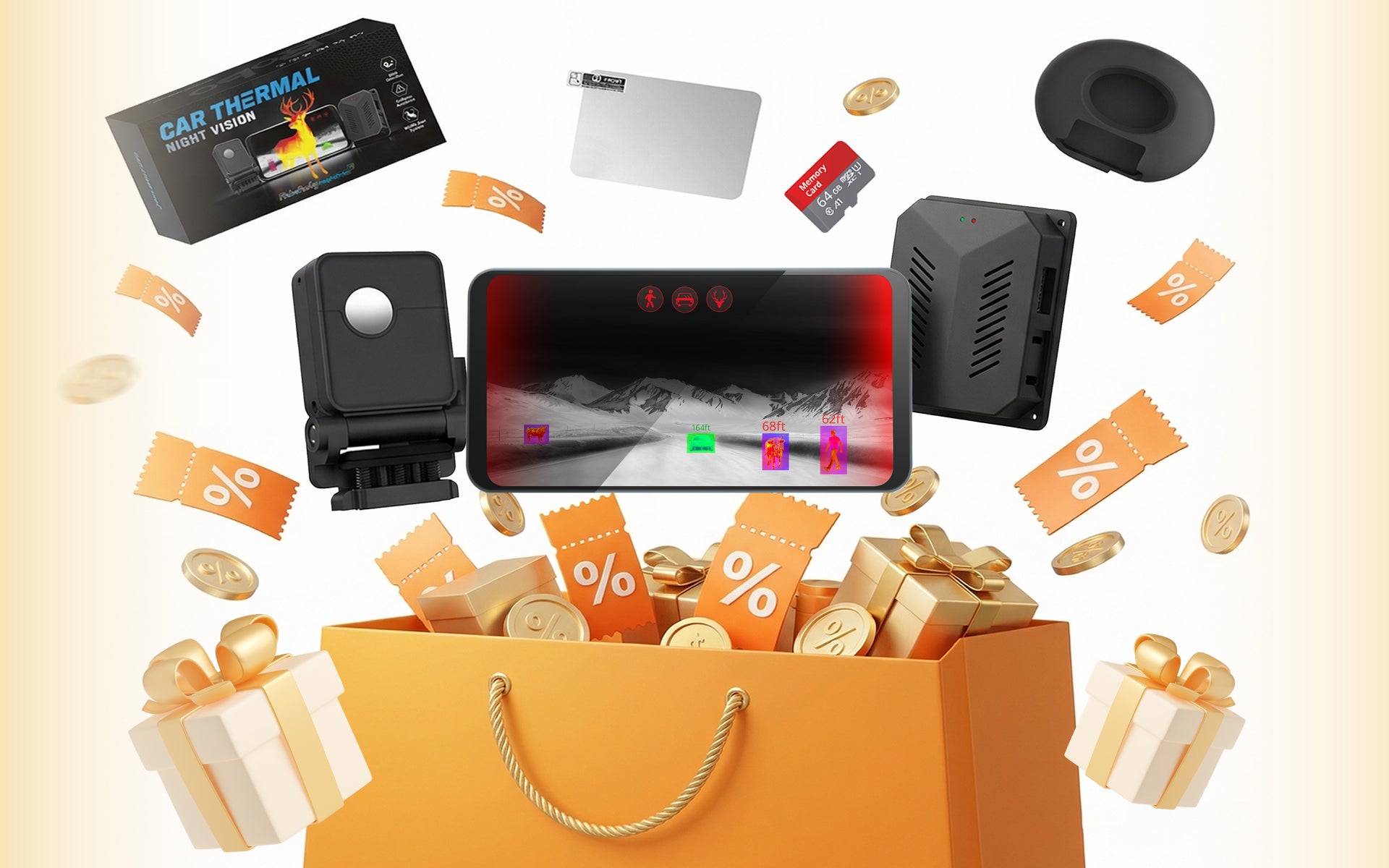
While many new cars come packed with advanced safety tech, millions of older vehicles are still on the road without these protections. The good news is that innovative aftermarket solutions can bridge this gap. A prime example is the Robofinity Car Thermal Night Vision Camera. This device is designed to give any driver the superpower of seeing in absolute darkness and through visual obstructions. It uses a high-resolution thermal camera mounted easily on the front of your vehicle. Its advanced AI doesn't just show a heat picture; it intelligently identifies and highlights potential hazards—like people, cars, and animals—right on your display with clear visual boxes. If a collision risk is detected, it provides an early audio and visual prompt, giving you precious extra time to react. The ability to see up to 200 meters ahead, cutting through total darkness, light rain, snow, and fog, addresses one of the most dangerous driving scenarios. With simple, tool-free installation, it’s a practical upgrade that significantly boosts driving safety performance, making advanced accident prevention technology accessible to all drivers, not just those in brand-new cars.



Leave a comment
All comments are moderated before being published.
This site is protected by hCaptcha and the hCaptcha Privacy Policy and Terms of Service apply.