



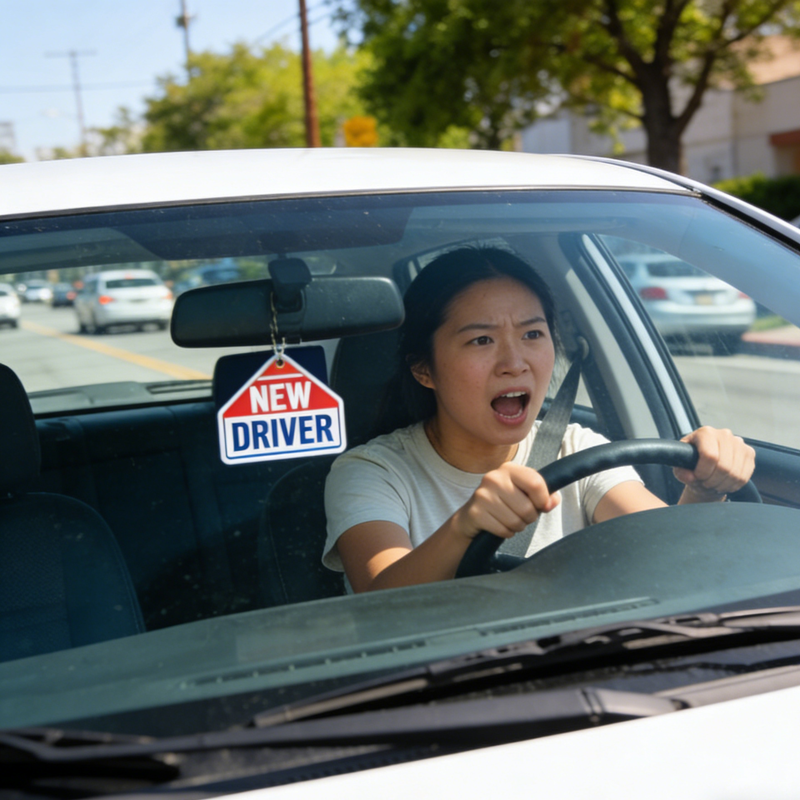
How to Avoid Common Mistakes as a Rookie Driver is something every new driver should take seriously.
If you are a rookie driver, you probably feel excited but also a little nervous. That is totally normal. However, rookie drivers often make simple errors that can lead to big problems. The good news is you can avoid these mistakes with some basic knowledge. This guide will walk you through the most common mistakes rookie drivers make and show you exactly how to fix them. Whether you just got your license or you are practicing for the test, this article is for you. Let’s start with the biggest issue.
Distracted Driving – The Number One Problem for Rookie Drivers
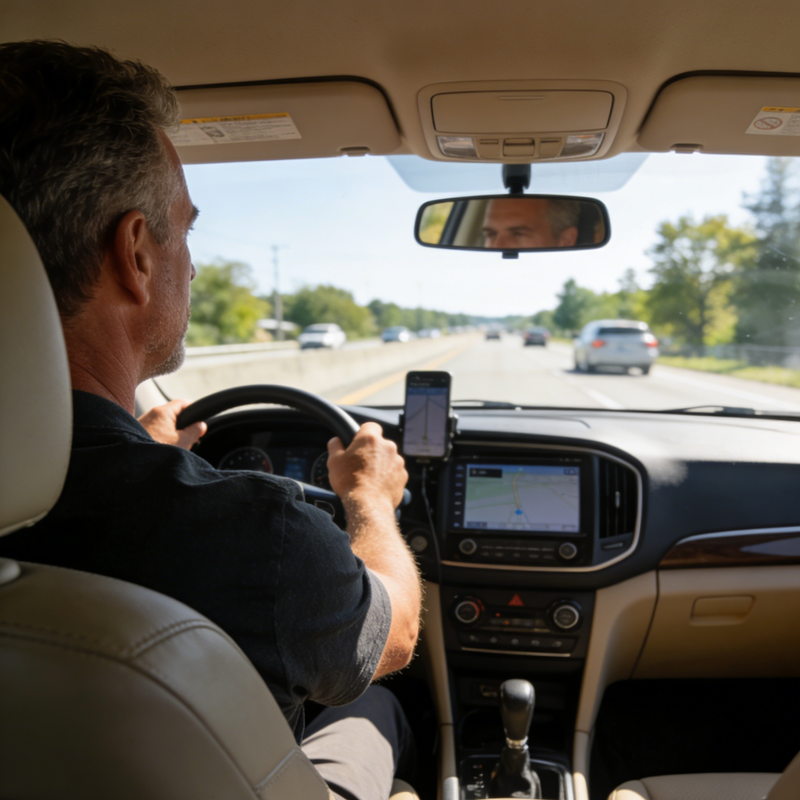
Distracted driving is the top mistake among rookie drivers. You might check your phone for a second. You might change the music or grab a snack. These small actions take your eyes off the road. A rookie driver often underestimates how fast things happen. In just two seconds, a car can travel over 100 feet. That is enough time to cause a crash. As a rookie driver, your focus should always be on driving. Put your phone in the glovebox. Set your GPS before you start. If you need to eat, park first. Remember, no call or text is worth risking your life. Every rookie driver needs to build this habit early. Stay focused, stay safe.
Speeding or Driving Too Slow – Finding the Right Pace
Many rookie drivers struggle with speed control. Some think driving fast shows confidence. Others drive too slow because they are scared. Both are dangerous. When a rookie driver speeds, they lose control easier. Stopping takes longer. Tickets are also expensive. On the flip side, driving too slow blocks traffic. It frustrates other drivers. It can even cause rear-end crashes. A rookie driver should always follow the speed limit. Match the flow of traffic when safe. Use cruise control on highways. This helps you keep a steady pace. Speed management is a skill every rookie driver must learn.
Not Checking Blind Spots – A Silent Danger
Blind spots are areas your mirrors cannot show. Many rookie drivers forget to check them. They only use rearview and side mirrors. This is a big mistake. A car or motorcycle can hide right next to you. If you change lanes without looking, you might hit them. Every rookie driver should practice shoulder checks. Turn your head quickly to see the blind spot. Do it every time you change lanes or merge. Also, adjust your mirrors properly. Some rookie drivers set mirrors too narrow. Angle them outward a bit. This reduces blind spots. But never skip the head turn. It takes one second and saves lives.
Tailgating – Following Too Close
Following too close is very common among rookie drivers. You might feel pressured to keep up. Or maybe you underestimate stopping distance. If the car ahead stops suddenly, you will crash. A rookie driver needs to remember the three-second rule. Pick a fixed point on the road. When the car ahead passes it, count three seconds. If you pass that point before three seconds, you are too close. Add more space in rain or snow. Tailgating does not get you there faster. It only adds risk. Give yourself room to react. As a rookie driver, patience is your friend.

Poor Lane Changing Habits
Lane changes seem easy, but rookie drivers often mess them up. They signal at the last second. Or they change lanes without signaling at all. Some cut across multiple lanes at once. This confuses other drivers. It causes crashes. A rookie driver should always signal first. Check mirrors and blind spot. Then move smoothly. Do not slow down too much. Match the speed of the lane you are entering. One lane at a time is the rule. Never weave through traffic. Good lane changes come with practice. Take it slow until you feel confident.
Failing to Signal – Small Action, Big Impact
Signaling tells others what you plan to do. But many rookie drivers skip it. They think, “I know where I’m going.” Other drivers cannot read your mind. Without a signal, they might pull into your path. Or they might not give you room. A rookie driver should signal for every turn and lane change. Signal at least 100 feet before the turn. On highways, signal five seconds ahead. Also, turn off the signal after you merge. Some rookie drivers forget and drive with the blinker on. This misleads others. Make signaling automatic. It shows you are a considerate driver.
Parking Problems – Parallel and Perpendicular
Parking is hard for many rookie drivers. You might pull in crooked. You might hit the curb. Parallel parking feels impossible at first. Do not worry. Everyone struggles with parking. The key is practice. Find an empty lot. Use cones or boxes to simulate cars. For perpendicular parking, center yourself in the spot. Use your mirrors and backup camera. For parallel parking, take it slow. Turn the wheel fully. Straighten out as you go. A rookie driver should also avoid rushing. Take an extra minute to fix your position. Hitting another car is worse than parking slowly.
Ignoring Traffic Signs and Signals
Traffic signs exist for a reason. Yet rookie drivers sometimes miss them. You might be focused on the road ahead. You might not see a stop sign until it is too late. Or you might roll through it without fully stopping. This is illegal and unsafe. A rookie driver should scan the road constantly. Look for signs early. Read them and react. Stop signs mean a complete stop. No rolling. Yield signs mean give way to others. Also, obey traffic lights. Do not speed up when the light turns yellow. Stop if it is safe. Ignoring signs leads to tickets and crashes. Stay alert.

Driving Under Influence – Zero Tolerance
This should go without saying. But some rookie drivers still make this mistake. Alcohol and drugs impair your judgment. Even one drink affects your reaction time. As a rookie driver, your skills are not fully developed. Mixing them with substances is deadly. The law is very strict for new drivers. A DUI can suspend your license. It can also lead to jail time. Never get behind the wheel after drinking. Plan ahead. Designate a sober driver. Use a rideshare app. Your life and others’ lives depend on it. A rookie driver must understand this is non-negotiable.
Drowsy Driving – Tired Behind the Wheel
Driving while tired is as bad as drunk driving. Many rookie drivers do not realize this. You stay up late studying or hanging out. Then you drive home half asleep. Your eyes close for a second. That is enough to drift into another lane. A rookie driver should never drive drowsy. Get seven to eight hours of sleep. On long trips, take breaks every two hours. Drink coffee or stretch. If you feel sleepy, pull over. A quick nap can save you. Drowsy driving causes thousands of crashes each year. Do not become a statistic.
Night Driving – Extra Caution Needed
Night driving is challenging for rookie drivers. You cannot see as far. Headlights from other cars blind you. It is harder to judge distance. Many rookie drivers avoid it at first. But sometimes you have no choice. Use your high beams when no cars are around. Dim them for oncoming traffic. Clean your windshield and headlights. Dirt makes glare worse. Also, reduce your speed. You need more time to react in the dark. Look at the lines on the road. They guide you when visibility is low. Night driving gets easier with experience. But never let your guard down.
How Technology Helps Night Driving
As a rookie driver, night driving does not have to be scary. Modern tools make it safer. For example, Robofinity car thermal night vision uses AI to see in the dark. It detects people, cars, and animals up to 200 meters ahead. Even in rain, snow, or fog, it shows obstacles clearly. If something is in your path, it warns you before you get close. This gives you extra seconds to react. Installation is simple and quick. For any rookie driver who drives at night often, this is a game-changer. It does not replace good habits. But it adds a layer of safety. You can see what your eyes alone might miss.

Bad Weather Driving – Rain, Snow, and Fog
Weather changes everything on the road. Rookie drivers often panic in rain or snow. They brake too hard. They turn too fast. This causes skids. In bad weather, slow down. Increase your following distance. Use low beams in fog. High beams reflect back and make it worse. If the road is wet, avoid puddles. They can hide deep holes. In snow, accelerate and brake gently. If you start to skid, steer into the direction of the skid. Do not slam the brakes. A rookie driver should also check weather reports. If it is terrible, stay home. No trip is worth the risk.
Overconfidence – The Dangerous Phase
After a few months, some rookie drivers feel invincible. They think they have mastered driving. They take risks. They speed. They weave in traffic. This overconfidence phase is very dangerous. Accidents spike among drivers with six to twelve months of experience. A rookie driver must stay humble. You are still learning. The road is unpredictable. Other drivers make mistakes. Always leave a margin of error. Overconfidence fades with close calls. But do not wait for a crash to humble you. Respect the machine you are operating.
Panic in Emergencies – Freezing Up
Emergencies happen fast. A car cuts you off. An animal runs into the road. A rookie driver often freezes or overreacts. They slam the brakes. They jerk the wheel. Both can cause loss of control. In an emergency, stay calm. Brake firmly but steadily. Do not lock the wheels. If you have ABS, press hard and stay on it. Steer smoothly around the obstacle. Look where you want to go. Your hands follow your eyes. Practice emergency braking in a safe area. Knowing what to do helps you react better. A rookie driver cannot prevent all emergencies. But you can control your response.
Ignoring Vehicle Maintenance
Cars need care to run safely. But many rookie drivers ignore maintenance. You might skip oil changes. You might drive with low tire pressure. Warning lights on the dashboard? You hope they go away. They won’t. A rookie driver should learn basic car care. Check tire pressure monthly. Look at fluid levels. Pay attention to strange noises. Get regular oil changes. Worn tires and brakes cause crashes. A well-maintained car responds better. It also saves money in the long run. Your car is your partner on the road. Treat it well.
Wrong Seat and Mirror Position
Comfort matters for control. Many rookie drivers sit too close or too far. You cannot steer well if you are cramped. You cannot reach pedals easily if you are too far. Adjust your seat so you can press pedals fully. Your knees should be slightly bent. Your wrists should rest on top of the steering wheel. Mirrors also need adjustment. Set the rearview to see the whole back window. Side mirrors should show a sliver of your car. This minimizes blind spots. A rookie driver often ignores this setup. But proper positioning reduces fatigue and improves reaction time.
Forgetting the Seatbelt
Seatbelts save lives. Yet some rookie drivers forget to buckle up. You might be in a hurry. You might think it is uncomfortable. But without a seatbelt, you can be thrown from the car. Airbags are not enough. They work with seatbelts, not instead of them. Make buckling up automatic. Before you shift to drive, click it in. Also, ensure passengers are buckled. As a rookie driver, you are responsible for everyone in the car. A ticket for no seatbelt is minor compared to the injury risk. Protect yourself every time.
Distracted by Passengers
Driving with friends is fun. But passengers can distract rookie drivers. They talk loudly. They play music. They tease you. You look away from the road. This is how crashes happen. When you have passengers, stay focused. Ask them to keep noise down. If they distract you too much, tell them you need to concentrate. It is not rude; it is safe. Some states limit the number of young passengers for rookie drivers. Follow those rules. Your social life is important. But so is arriving in one piece.
Aggressive Driving – Avoiding Road Rage
Frustration builds in traffic. You are late. Someone cuts you off. You want to honk or tailgate them. Aggressive driving solves nothing. It escalates situations. Some rookie drivers mistake aggression for assertiveness. They are not the same. Stay calm. Breathe deeply. If someone is driving badly, give them space. Do not engage. Speeding up to block them is dangerous. Let aggressive drivers pass. You never know how they will react. A rookie driver should focus on getting home safely, not winning a contest.
Not Practicing Enough
Driving is a skill. It requires repetition. Some rookie drivers only drive when they have to. They do not seek extra practice. As a result, progress is slow. Set aside time to practice specific skills. Go to an empty lot on weekends. Practice turning, backing up, and parking. Drive on different roads. Highways feel different from local streets. Drive at different times. Night and rush hour each have challenges. The more you practice, the more natural driving feels. A rookie driver becomes a confident driver through miles behind the wheel.
Conclusion – From Rookie to Pro
Every expert was once a rookie driver. Mistakes are part of learning. But some mistakes are avoidable. Stay focused. Follow the rules. Keep your car in good shape. Use technology to help you, like Robofinity car thermal night vision for safer night drives. It spots hazards your eyes might miss. It warns you before impact. It works in all weather. And it is easy to install. For any rookie driver serious about safety, this tool is worth considering.
Driving is a privilege, not a right. Treat it with respect. You share the road with families, kids, and pets. Your choices affect them. So keep learning. Stay humble. And always aim to be better than yesterday. The road is waiting. Make it a safe journey.


Leave a comment
All comments are moderated before being published.
This site is protected by hCaptcha and the hCaptcha Privacy Policy and Terms of Service apply.