

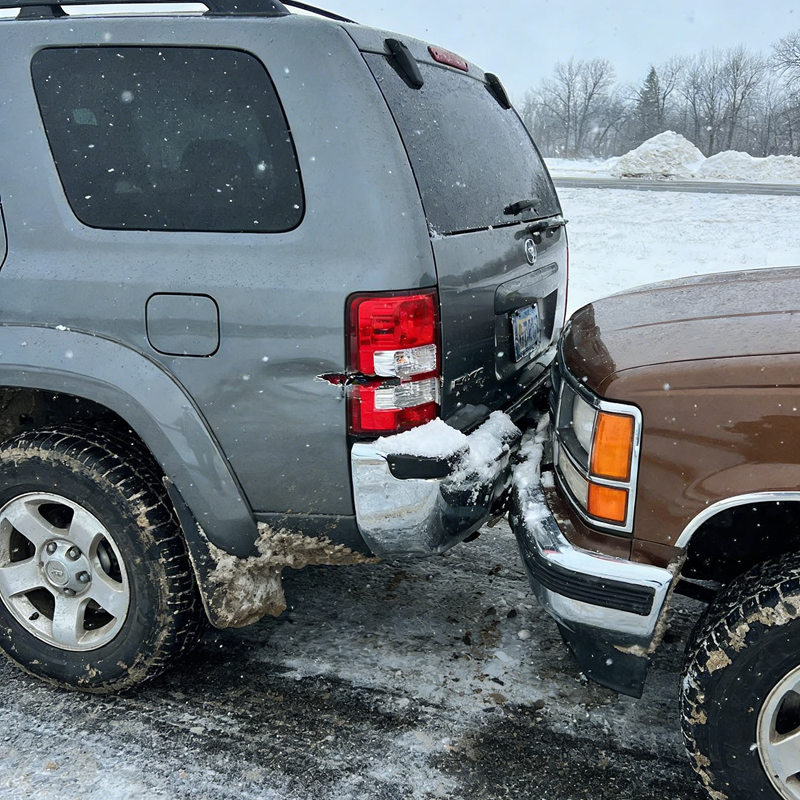
Rear-end accidents are the most common type of car crash on the road.
They happen every single day. If you drive, chances are you've either been in one, or you've had a scary close call. These crashes can range from a minor fender-bender to a serious, life-changing collision. The good news? Almost all rear-end collisions are preventable. This guide is here to walk you through, in simple terms, exactly how you can avoid causing—or becoming the victim of—this frustrating and costly type of accident. We'll cover the real reasons these crashes happen, give you easy driving habits to adopt, and talk about how modern technology can give you an extra edge in safety.
Why Do Rear-End Crashes Happen So Often?
Let's get real about why people get rear-ended. It usually boils down to two simple things: following too close and not paying attention.
Tailgating is the biggest culprit. That's when you drive way too close to the car in front of you. Many drivers do it, maybe because they're in a hurry or they don't realize how dangerous it is. Here's the problem: if the car ahead slams on its brakes, you have zero time to react. You simply don't have enough room to stop. Your safe stopping distance depends on your speed, your car's brakes, the road conditions, and how fast you can react.
Distracted driving is public enemy number two. We're all guilty of it sometimes. Looking at your phone is the most dangerous distraction. Sending a quick text, checking a notification, or even fiddling with your GPS takes your eyes off the road. Just a few seconds of looking away is all it takes for traffic to come to a sudden stop. Other distractions include eating, talking to passengers, or messing with the radio.
Being tired or drowsy is a major factor too. When you're tired, your reaction time slows way down. It's almost like driving under the influence. You might not notice the car ahead slowing down until it's too late to avoid a rear-end accident.
Bad weather makes everything harder. Rain, fog, snow, and ice reduce your visibility and make the road slippery. This means you need more time and more distance to stop safely. A common mistake is driving the same way you do in perfect weather, which is a surefire way to end up in a rear-end collision.
The Golden Rule: How to Not Rear-End Someone Else
As the driver in the back, you are primarily responsible for preventing a rear-end crash. Here are your most powerful tools.
Use the 3-Second Rule. Every. Single. Time. This is your best defense. Pick a fixed object on the road ahead, like a sign or a tree. When the car in front of you passes it, start counting: “one-one-thousand, two-one-thousand, three-one-thousand.” You should pass that same object after you finish counting to three. This gives you a safe cushion. In bad weather, make it 4, 5, or even 6 seconds. This simple trick is the #1 way to prevent a rear-end accident.
Put the Phone Away. Seriously. Distraction is a choice. Before you drive, put your phone in the glove box, the back seat, or use a “Do Not Disturb” setting. If you need navigation, set it up before you put the car in drive. Your focus needs to be on the road, not on a screen.
Look Ahead, Not Just at the Bumper. Don't just stare at the car directly in front of you. Look several cars ahead, down the road. Look for brake lights, turn signals, and traffic patterns. If you see brake lights flashing way ahead in the distance, you can start to coast and slow down early. This prevents the panic brake that can lead to a rear-end collision.
Drive Smoothly. Be predictable. Avoid sudden acceleration and hard braking. When you need to slow down, take your foot off the gas early and brake gently and gradually. This not only saves gas but gives the driver behind you plenty of warning with your steady brake lights.
Maintain Your Car. Your brakes and tires are what stop you. Worn-out brake pads or bald tires can double or triple your stopping distance. Get them checked regularly. Make sure all your lights work—especially your brake lights! If the person behind you can't see your brake lights, they won't know you're stopping.
Adjust for Conditions. When it rains, snows, or gets foggy, your first actions should be: Slow Down and Increase Your Following Distance. Turn on your headlights to see and be seen. Remember, wet roads are slippery roads.
How to Protect Yourself from Being Rear-Ended
You can't control the driver behind you, but you can make smart choices to reduce your risk.
Communicate Clearly. Always use your turn signal well before you turn or change lanes. When slowing down, tap your brakes lightly a couple of times to flash your brake lights before you actually need to brake harder. This grabs the tailgater's attention.
Don't Make Sudden, Unnecessary Moves. If you realize you're about to miss your exit, don't slam on the brakes and swerve. Just take the next exit and turn around. It's not worth causing a major rear-end accident.
Create Space Around You. Don't get boxed in. If someone is tailgating you, the safest thing to do is to calmly change lanes and let them pass. If you can't change lanes, slightly increase the distance between you and the car in front of you. This gives you a larger buffer zone in case you need to slow down gradually.
Leave an “Out” When Stopped. When you're stopped at a red light or in traffic, leave enough space between you and the car ahead so that you can see their rear tires touching the pavement. This gives you room to maneuver if you see a car coming up behind you too fast and about to cause a rear-end collision.
Check Your Mirrors Often. Be aware of what's happening behind you. If you see a car approaching very fast or a driver who looks distracted, your early awareness gives you more time to react safely.

How Technology Can Help Prevent Rear-End Accidents
Cars today come with amazing tech that acts as a co-pilot to help you avoid a crash.
Automatic Emergency Braking (AEB) is a superstar. This system uses sensors to “see” a potential rear-end collision. If you don't react in time, it can automatically apply the brakes to avoid the crash or make it less severe. Many new cars have this standard now.
Forward Collision Warning (FCW) often works with AEB. It beeps, flashes, or vibrates the steering wheel to alert you of a possible rear-end accident. This warning gives you those precious extra seconds to brake or steer safely.
Adaptive Cruise Control (ACC) is like smart cruise control. You set a speed, and it uses radar to keep a safe distance from the car ahead. If traffic slows, your car slows down automatically. This is fantastic for preventing rear-end collisions on long highway drives, especially when driver fatigue sets in.
A Quick, Important Note: These systems are helpers, not replacements for an alert driver. You should never rely on them completely. Always keep your hands on the wheel and your eyes on the road.
The Limits of Standard Tech and Seeing the Unseeable
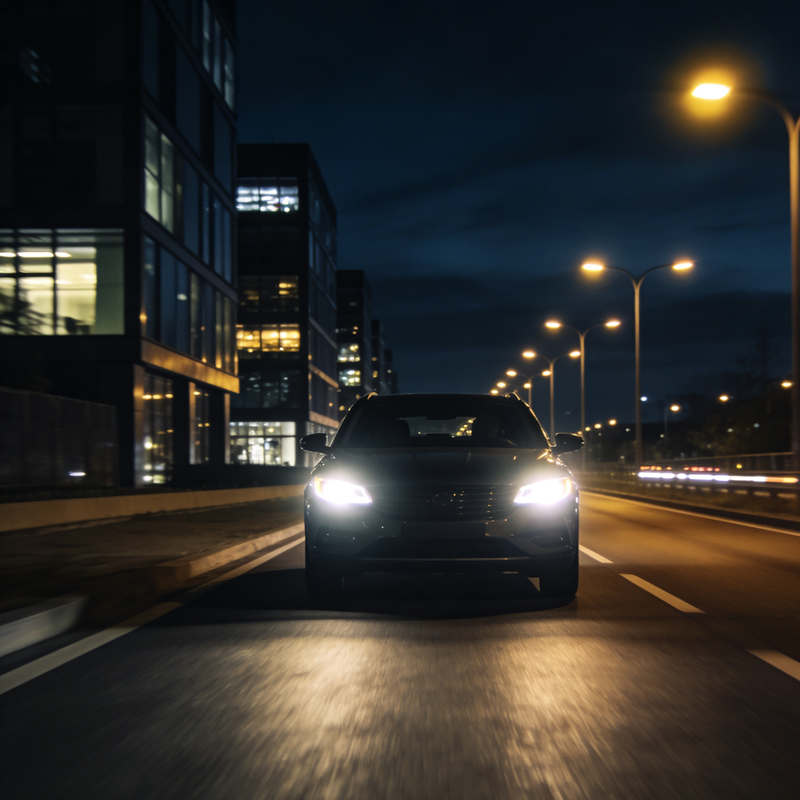
While AEB and cameras are great, they have limits, just like our own eyes. Rain, fog, snow, or pitch-black darkness can confuse cameras and radar. They need some light or a clear view to work properly.
This is where a new layer of advanced safety technology comes in: thermal imaging. Think of it as giving your car the ability to see heat signatures. Unlike regular cameras, thermal cameras don't need any light at all. They see people, animals, and vehicles based on the heat they give off.
For preventing a rear-end accident, this is a potential game-changer, especially at night or in bad weather. Imagine driving on a dark road. A disabled car with no lights is sitting ahead. Or a deer is about to jump out. Your eyes and your car's standard sensors might not see it until it's too late. A dedicated thermal night vision system, like the one from Robofinity Thermal Night Vision Car Camera, can spot these heat-based obstacles from much farther away.
Systems like Robofinity use AI to quickly identify what the heat signature is—a person, a car, an animal—and give the driver an early audio or visual alert. Because it sees heat, it can "see through" light fog, rain, and snowflakes better than standard cameras. It provides a critical extra layer of awareness for those high-risk driving situations where visibility is near zero. While not a substitute for safe driving habits, it's a powerful tool that can give you the advanced warning you need to avoid a tragic collision with an unseen obstacle.

Common Myths About Rear-End Accidents
Let's clear up some misunderstandings that can get drivers into trouble.
Myth 1: “If I get hit from behind, it's always the other driver's fault.” This is usually true, but not 100%. If your brake lights were out, or if you cut someone off and then slammed on your brakes, you could share the blame.
Myth 2: “My car has great brakes and ABS, so I can follow closer.” ABS helps you steer during hard braking; it doesn't make your car stop on a dime. Physics still wins. You still need that safe following distance.
Myth 3: “Driving close prevents other cars from cutting in.” This aggressive “blocking” tactic is a major cause of rear-end collisions. Letting someone merge is safer for everyone than tailgating and risking a crash.
Myth 4: “I'm a great multi-tasker; I can drive and use my phone.” Science says otherwise. Your brain can't focus on two complex tasks at once. You're just switching between them very poorly, and your driving suffers dramatically.
What to Do If You're In a Rear-End Collision
Even with all the prevention in the world, accidents happen. Stay calm and follow these steps.
Safety First. If the cars are drivable, move them to the shoulder or a safe place out of traffic. Turn on your hazard lights. Check yourself and others for injuries. Call 911 if anyone is hurt.
Exchange Information. Get the other driver's name, phone number, insurance details, and license plate number. Be polite but don't admit fault or argue about what happened at the scene.
Document Everything. Use your phone to take pictures of all vehicles involved, their damage, their license plates, and the overall scene (street signs, skid marks). This is very helpful for insurance.
File a Report. In many places, you need to file a police report for insurance. Even for a small fender-bender, having an official report can make the claims process smoother.
See a Doctor. Some injuries, like whiplash, don't show up until hours or days later. It's wise to get checked out by a medical professional, even if you feel okay.
Conclusion: Safe Driving is a Choice
Preventing rear-end accidents comes down to making the right choices every time you get behind the wheel. It's about committing to that 3-second rule, putting away distractions, and staying aware of the ever-changing road around you. Treat driving as your most important task. The modern safety technology in your car, and even add-ons like thermal cameras for extreme conditions, are there to assist you—not replace your focus and judgment.
By making these habits automatic, you protect yourself, your passengers, your wallet, and everyone else on the road. Let's all do our part to make rear-end collisions a lot less common. Drive safely.

Leave a comment
All comments are moderated before being published.
This site is protected by hCaptcha and the hCaptcha Privacy Policy and Terms of Service apply.