
Automotive Night Vision System with Animal, Pedestrian & Vehicle Detection | Low Visibility Safety Solution
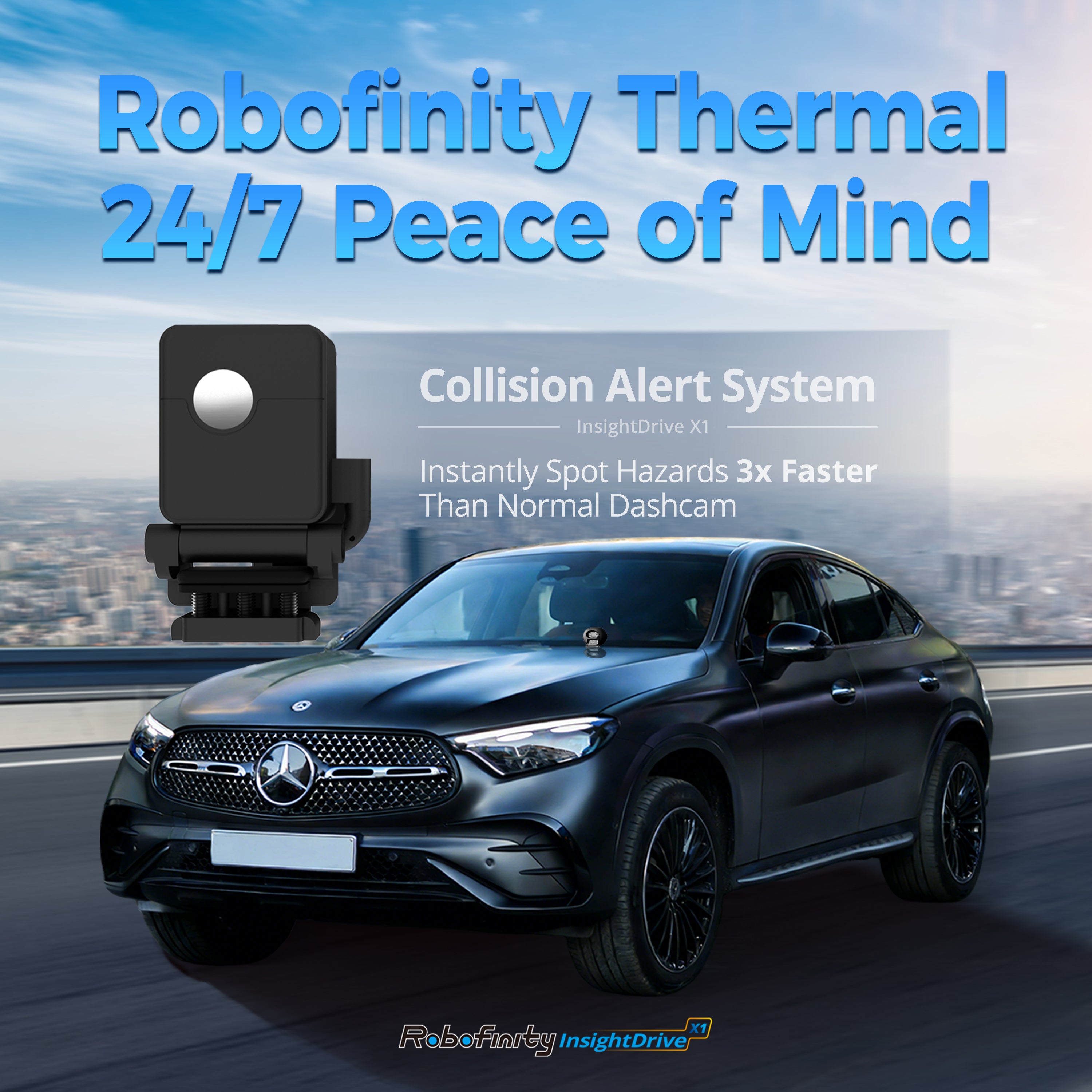
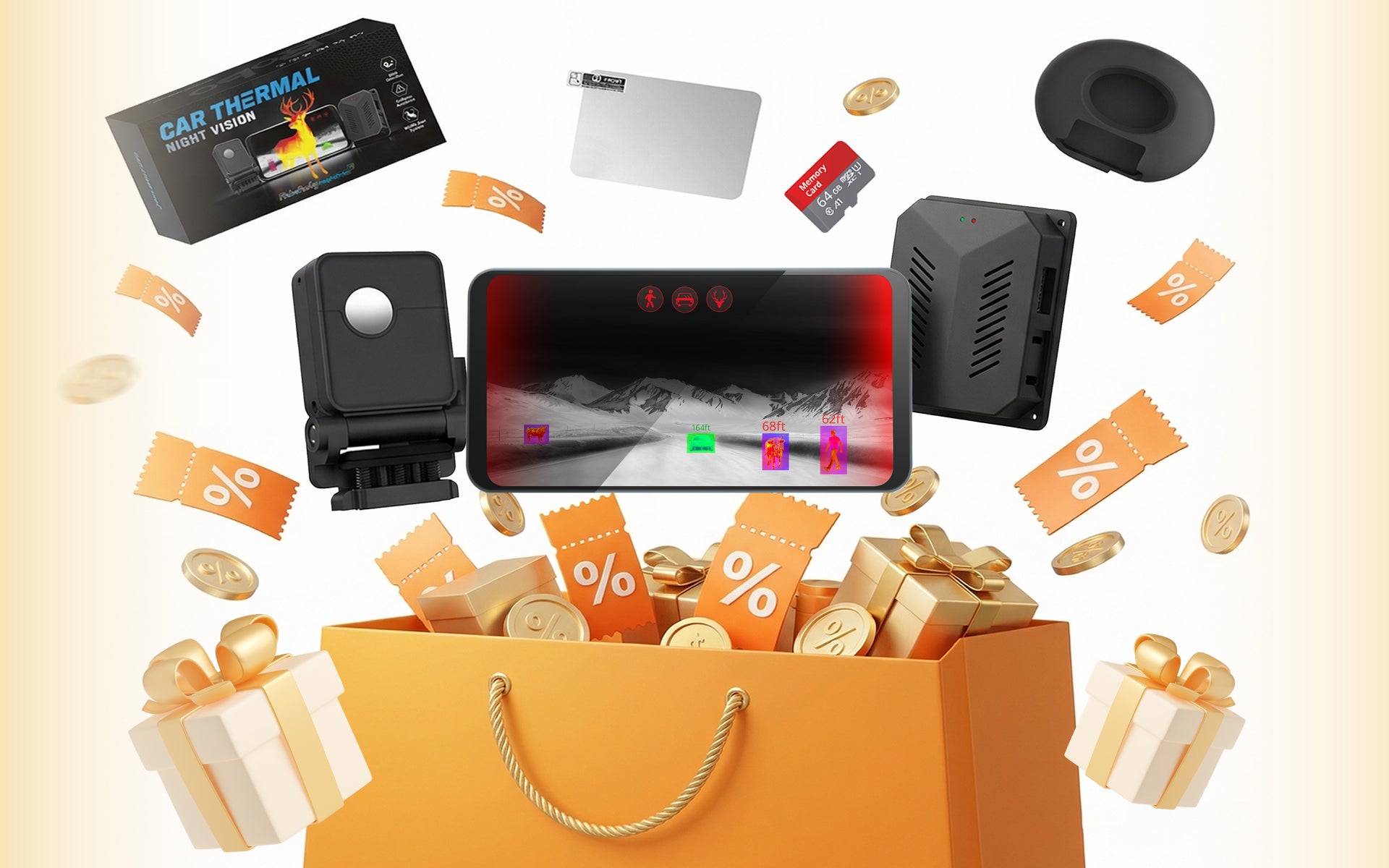
Automotive night vision systems that detect only animals address one part of the nighttime hazard picture. On roads where pedestrians, cyclists, and other vehicles are also present at night — semi-rural roads near towns, campground access routes, industrial area perimeters, and unlit suburban connectors — a system that classifies and alerts for multiple object types provides broader coverage. The Robofinity InsightDrive uses AI to classify detected objects as animals, pedestrians, or vehicles, and issues collision risk alerts for each category. This collection covers the InsightDrive systems for drivers whose nighttime routes include a mix of wildlife, pedestrian, and vehicle hazards.
Why Multi-Object Detection Matters
The roads where nighttime collision risk is highest are not always purely rural. Semi-rural roads near towns, roads adjacent to industrial facilities, and unlit connectors between suburban and rural areas combine wildlife presence with pedestrian and cyclist activity. A system that detects only animals will miss a cyclist without lights on an unlit road. A system that detects only vehicles will miss a deer crossing the same road. The InsightDrive’s AI classification layer identifies all three object categories from the same thermal image, issuing alerts based on collision trajectory regardless of object type.
Pedestrian Detection at Night
Pedestrians at night are among the most vulnerable road users and among the hardest to detect with standard headlights. Dark clothing, the absence of reflective gear, and unpredictable movement patterns make pedestrians difficult to see until they are within headlight range — often too close for adequate reaction time at road speeds. The InsightDrive detects human body heat at up to 200m regardless of clothing color or ambient light. A pedestrian walking along an unlit road edge, a jogger without reflective gear, or a person crossing an unlit road is detectable at the same range as a deer of similar size.
Vehicle Detection: Stopped and Slow-Moving Hazards
Running vehicles produce heat from their engines and exhaust systems that thermal imaging detects clearly. This is particularly relevant for:
- Stopped vehicles on unlit roads: A broken-down vehicle with its lights off or a vehicle stopped on the road shoulder is detectable by its engine heat even without visible lights
- Slow-moving vehicles: Agricultural equipment, cyclists with electric assist, and other slow-moving road users that may not be immediately visible in headlights
- Vehicles emerging from side roads: A vehicle pulling out from an unlit side road is detectable by its engine heat before its headlights become visible in the driver’s field of view
Typical Routes Where Multi-Object Detection Is Most Relevant
- Semi-rural roads connecting towns and villages, where pedestrian and cyclist activity coexists with wildlife presence
- Roads adjacent to campgrounds, parks, and recreational areas where pedestrian activity at night is unpredictable
- Industrial area perimeter roads where workers on foot may be present near the road at night
- Agricultural roads where farm workers, equipment, and livestock may all be present
Frequently Asked Questions
How does the AI distinguish between an animal, a pedestrian, and a vehicle?
The AI classification system analyzes the shape, size, heat signature pattern, and movement characteristics of detected objects in the thermal image. Animals, pedestrians, and vehicles have distinct thermal profiles that the system uses to classify each object. The classification determines the alert type issued to the driver. The system is designed for the object categories most relevant to road collision risk — it is not a general-purpose object recognition system.
Does the system alert for pedestrians at the road edge as well as on the road?
The system detects heat signatures within its forward field of view, which includes the road surface and the area immediately adjacent to the road. A pedestrian walking along the road edge within detection range will appear in the thermal image. The collision risk alert is issued when AI analysis determines the object is on a trajectory toward the vehicle. A pedestrian walking parallel to the road may appear in the display without triggering an alert, but their presence is visible to the driver on the thermal feed.
Is the system useful in areas with both wildlife and pedestrian risk?
Yes. The InsightDrive detects and classifies all three object categories — animals, pedestrians, and vehicles — from the same thermal image simultaneously. On roads where multiple hazard types may be present, the system provides coverage across all categories without requiring separate systems for each.
Does the system work in light rain or fog on semi-rural roads?
Light rain and light fog do not significantly affect thermal detection performance. The system maintains detection capability in these conditions, which are common on semi-rural roads at night. Very dense fog may reduce effective detection range for all detection technologies.
Browse the systems in this collection. Contact Robofinity for vehicle compatibility questions before ordering.
Filters
1 product