

Vehicle-Mounted Thermal Cameras: Compare 2026 Models & Installation Compatibility
Choosing a vehicle-mounted thermal camera involves evaluating a set of hardware specifications that directly affect real-world detection performance. Resolution, field of view, frame rate, operating temperature range, and ingress protection rating all determine how the camera performs in the conditions you will actually drive in. This collection covers the InsightDrive vehicle-mounted thermal cameras and helps buyers understand which specifications matter most for automotive detection applications — and which are less relevant than they appear on a spec sheet.
Key Specifications and What They Mean for Driving Use
Thermal Resolution
Thermal resolution is measured in pixels (e.g., 384×288 or 640×512). Higher resolution produces a more detailed thermal image and allows the AI classification system to distinguish object types more accurately at distance. For automotive detection at up to 200m, resolution is a meaningful specification — a higher-resolution sensor resolves a deer-sized object at greater distance than a lower-resolution sensor of the same lens focal length.
Field of View (FOV)
Field of view determines how wide an area the camera covers ahead of the vehicle. A wider FOV covers more of the road width but reduces the effective detection range for a given resolution — each pixel covers a larger area. A narrower FOV concentrates resolution on a smaller forward area, extending effective detection range. For highway driving where forward detection range is the priority, a narrower FOV is generally preferable. For lower-speed driving where road-width coverage matters more, a wider FOV may be appropriate.
Frame Rate
Frame rate (measured in Hz or fps) determines how frequently the thermal image is updated. For automotive use, a frame rate of 25Hz or higher provides smooth image updates that allow the AI system to track moving objects accurately. Lower frame rates may cause the image to appear choppy and can affect the accuracy of trajectory analysis for fast-moving objects.
Operating Temperature Range
Vehicle-mounted cameras are exposed to the full range of ambient temperatures the vehicle operates in — from extreme cold in winter to high heat in summer, including heat soak when the vehicle is parked in direct sunlight. Verify that the camera’s rated operating temperature range covers the conditions in your region before purchasing.
Ingress Protection (IP) Rating
An IP rating indicates the camera’s resistance to dust and water ingress. For a front-mounted vehicle camera exposed to rain, road spray, and dust, an IP rating of IP67 or higher is appropriate — indicating dust-tight construction and resistance to temporary water immersion. Lower IP ratings may be adequate for protected mounting positions but are less suitable for exposed front bumper or grille mounting.
Video Output
The InsightDrive outputs via HDMI, VGA, or RCA using the optional multimedia adapter. Confirm which output type is compatible with your chosen display before ordering the adapter. HDMI provides the highest signal quality for compatible displays; RCA is the most universally compatible with older screens.
Specifications That Matter Less for Automotive Use
- NETD (Noise Equivalent Temperature Difference): A lower NETD indicates higher thermal sensitivity. For automotive detection of large warm-bodied animals and vehicles, the temperature differential is large enough that NETD differences between comparable sensors have limited practical impact on detection range.
- Color palettes: Thermal cameras offer multiple display color palettes (white-hot, black-hot, rainbow, etc.). For driving use, white-hot or black-hot palettes are most practical for quick hazard identification. Palette selection is a user preference rather than a performance specification.
Frequently Asked Questions
What resolution does the InsightDrive use?
Check the specific product listing for the InsightDrive model you are considering. Resolution specifications vary by model. Contact Robofinity if you need clarification on which resolution is appropriate for your detection range requirements.
Does a higher-resolution camera always mean better detection range?
Higher resolution improves the ability to resolve small objects at distance, but detection range also depends on lens focal length and field of view. A higher-resolution sensor with a wider FOV may not outperform a lower-resolution sensor with a narrower FOV at long range. Evaluate resolution alongside FOV and focal length as a combined specification set.
Is the camera housing suitable for front bumper mounting in all weather?
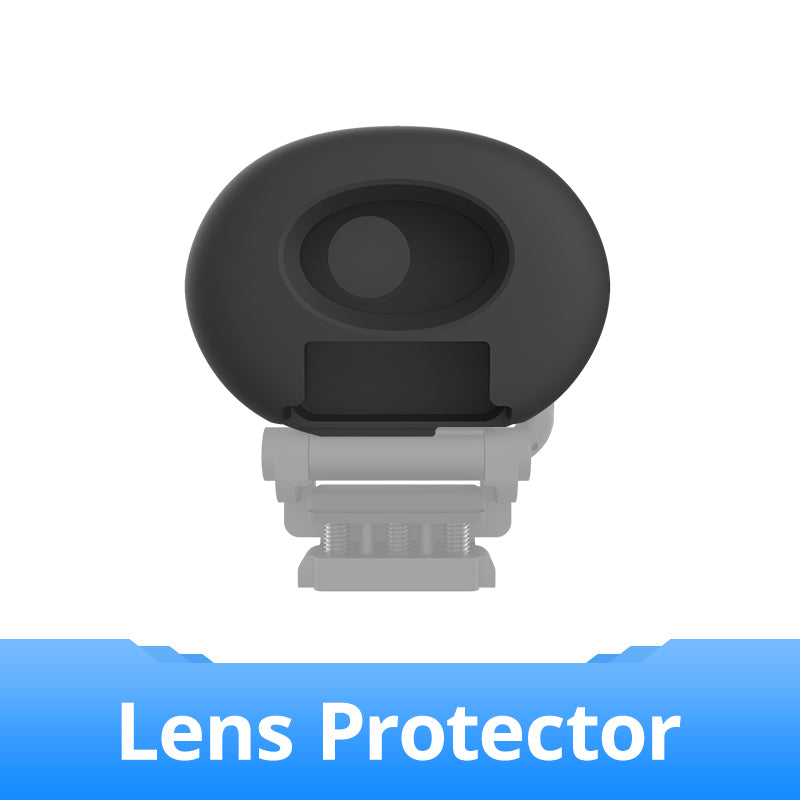
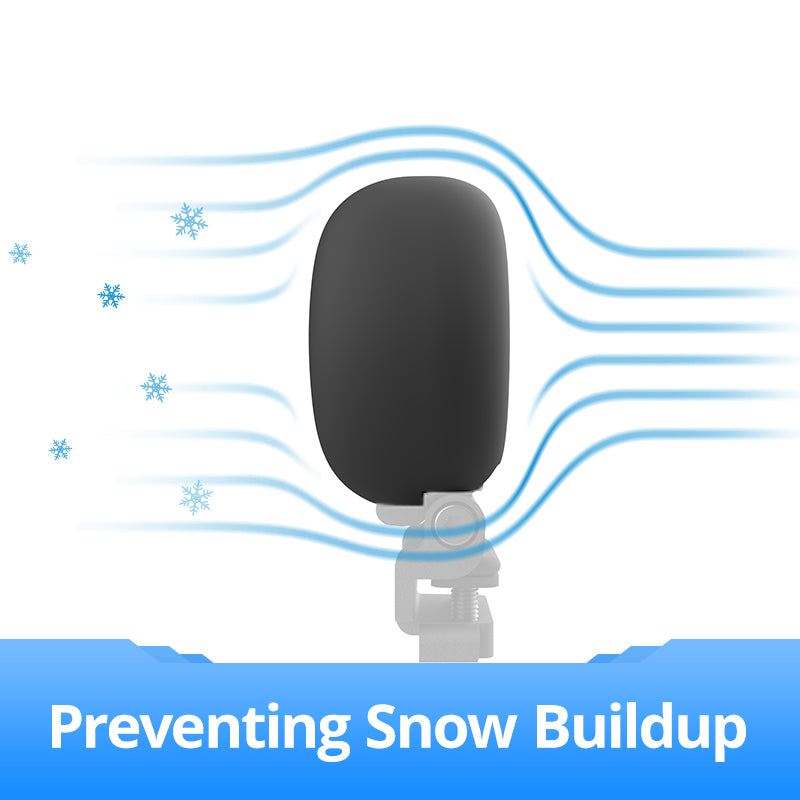
The InsightDrive camera housing is designed for vehicle-mounted outdoor use. Check the IP rating in the product specifications for your specific model. The lens protector accessory provides additional protection against debris impact on the lens surface during driving.
Browse the vehicle-mounted thermal cameras in this collection. Contact Robofinity for specification questions before ordering.
Filters
3 products