

Reducing road accident risks is a goal every driver should prioritize. It's not just about avoiding tickets or saving on insurance. It's about protecting lives – yours, your passengers', and everyone else on the road. The statistics on road accidents are sobering, but the good news is that most crashes are preventable. By adopting specific, consistent habits and making smarter choices, you can dramatically lower your chances of being involved in a collision. This guide will walk you through seven practical, essential strategies to effectively reduce road accident risks. We’ll cover everything from your mindset behind the wheel to the technology in your vehicle. Let's get started on making your journeys safer.
1. Master Defensive Driving to Reduce Road Accident Risks
Defensive driving is your first and best line of defense. It’s the practice of driving to save lives, time, and money, despite the conditions around you and the actions of others. The core idea is simple: you can only control your own vehicle. So, you must always be prepared for the mistakes of other drivers.
Always keep your eyes moving. Scan the road ahead, check your mirrors every 5-8 seconds, and watch the sides of the road for potential hazards. Maintain a safe following distance. The old "three-second rule" is a minimum. In bad weather, make it four or five seconds. Look for an escape route. Always know where you could steer your car if something sudden happens. Anticipate the worst. If you see a ball roll into the street, expect a child to follow. If a car is hovering near an intersection, assume it might pull out. By thinking ahead, you give yourself crucial extra time to react. Practicing defensive driving is the most fundamental way to reduce road accident risks daily.
2. Eliminate All Distractions – Especially Your Phone
Distracted driving is a massive threat. It takes your eyes off the road, your hands off the wheel, and your mind off driving. Texting is the most dangerous because it involves all three types of distraction. But it’s not the only culprit. Eating, fiddling with the radio, or talking to passengers can be just as risky.
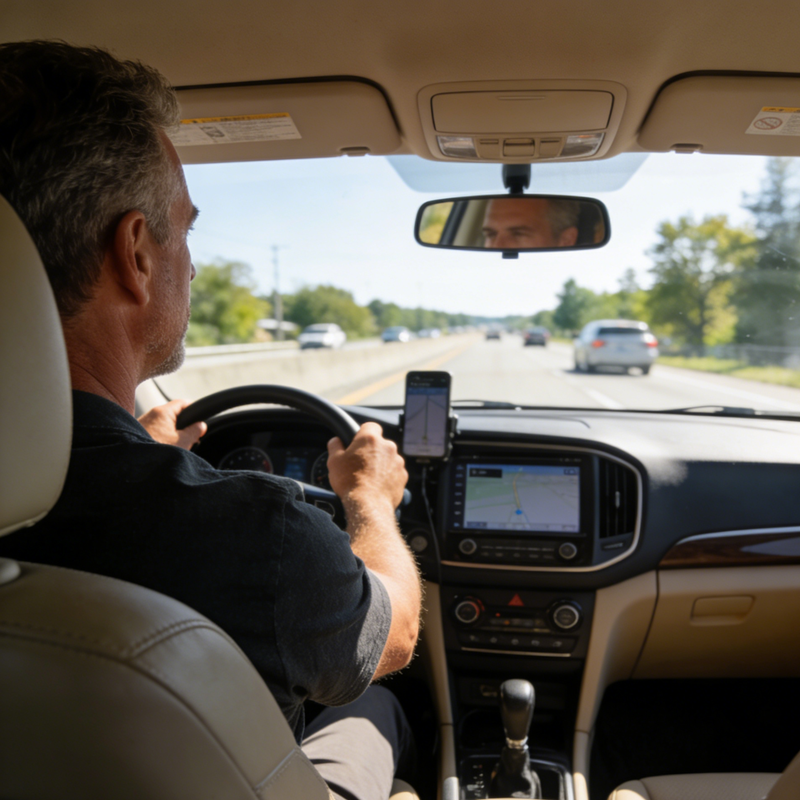
Put your phone out of reach. Use "Do Not Disturb" mode or an app that blocks notifications while driving. Set your GPS, playlist, and climate controls before you start moving. If you need to adjust something, pull over safely. Teach yourself that the car is for driving, nothing else. Make it a strict rule. If you have passengers, ask them to help you stay focused. Explain that for everyone's safety, you need to concentrate. Eliminating distractions is a non-negotiable step to reduce road accident risks. It’s a habit that requires constant vigilance, but it saves lives.

3. Never, Ever Drive Under the Influence
This point cannot be stressed enough. Alcohol, drugs, and even some prescription medications severely impair your ability to drive. They slow your reaction time, blur your judgment, and decrease coordination. Driving under the influence is a leading cause of fatal accidents.
Plan ahead. If you’re going out and know you’ll drink, designate a sober driver, use a ride-share service, or take a taxi. The cost of a ride is nothing compared to the cost of a crash. Be aware of medications. Read the labels on your prescriptions and over-the-counter drugs. Many cause drowsiness or warn against operating machinery. If you feel dizzy or sleepy, do not drive. It’s also important to get enough sleep. Drowsy driving can be as impairing as drunk driving. Making a sober, alert choice every single time you get behind the wheel is a powerful commitment to reduce road accident risks for yourself and your community.
4. Follow Speed Limits and Adjust for Conditions
Speed limits are set for ideal conditions. They are not targets to meet or exceed. Speeding gives you less time to react and increases the force of impact in a crash. The faster you go, the worse any accident will be.
Always obey posted limits. But also, know when to go slower. Rain, fog, snow, and ice demand a significant reduction in speed. If the road is wet, slow down. If visibility is poor, slow down more. Also, slow down in construction zones, school zones, and neighborhoods. Watch for signs that indicate changing road conditions. Adjusting your speed for the situation is a critical skill. It’s not just about avoiding a ticket. It’s about giving yourself the maximum possible time to handle surprises. Managing your speed is a direct and effective method to reduce road accident risks in any environment.

5. Ensure Your Vehicle is Properly Maintained
A well-maintained car is a safer car. Simple mechanical failures can lead to loss of control and serious accidents. Don’t wait for a warning light. Make regular checks part of your routine.
Check your tires monthly. Look for proper tread depth and inflation. Bald or under-inflated tires can cause blowouts and reduce traction, especially in rain. Test your brakes. Listen for strange noises and pay attention to how the pedal feels. Get oil changes and routine service on schedule. Make sure all your lights work – headlights, brake lights, turn signals, and hazard lights. You need to see and be seen. Replace windshield wipers before they start streaking. Clear visibility is key to safety. Taking care of your vehicle might seem like a chore, but it’s a proactive investment that helps significantly reduce road accident risks caused by equipment failure.
6. Always Buckle Up and Secure All Passengers
Seat belts are your last line of defense in a crash. They are proven to save lives. In a collision, an unbelted person becomes a projectile, risking injury to themselves and others in the vehicle.
Make it an automatic habit. Buckle up before you even start the engine. Ensure every passenger, in every seat, is buckled up before you move. This includes children in appropriate car seats or booster seats. Properly install child safety seats according to the manufacturer's and your vehicle's instructions. It can be tricky, so don’t hesitate to get help from a certified technician. For adults, the lap belt should lie across your hips, not your stomach. The shoulder belt should cross the center of your chest. Never tuck it under your arm. This simple, seconds-long action is one of the easiest and most effective ways to reduce road accident risks and minimize injury if a crash occurs.
7. Use Technology to Enhance Your Awareness
Modern cars come with fantastic safety technology. Use it! These features are designed to be an extra pair of eyes and a safety net for human error.
Understand and use your Advanced Driver-Assistance Systems (ADAS). Features like Automatic Emergency Braking (AEB), Forward Collision Warning (FCW), and Blind Spot Monitoring (BSM) are there to help. They can warn you of dangers you might miss and can even intervene in critical moments. Keep your sensors and cameras clean so they work properly. Don’t become over-reliant on them, but let them support your good driving habits. Investing in aftermarket safety tech is also a smart move to reduce road accident risks, especially in challenging conditions like darkness or bad weather.
Speaking of aftermarket technology, one standout innovation is the Robofinity Car Thermal Night Vision Camera. It uses advanced thermal imaging to see what your eyes and standard cameras can't. Its AI can intelligently identify people, cars, and animals on the road, giving you a collision warning before a potential accident. It can see up to 200 meters ahead, cutting through pitch darkness, heavy rain, snow, and fog to spot obstacles early. With simple and quick installation, it adds a powerful, proactive layer of protection, significantly boosting your ability to navigate safely in low-visibility conditions and directly helping you reduce road accident risks around the clock.

Conclusion: Safety is a Continuous Journey
To reduce road accident risks is an ongoing commitment. It’s about building good habits and sticking to them every single trip, no matter how short. Review these seven essential ways regularly. Start with one area, like putting your phone away, and master it. Then move to the next. Share these tips with friends and family. Safer drivers create safer roads for everyone. Remember, the goal is to get where you’re going safely. By being a proactive, prepared, and patient driver, you take control of your safety. You have the power to dramatically reduce road accident risks. Start today.


Laisser un commentaire
Tous les commentaires sont modérés avant d'être publiés.
Ce site est protégé par hCaptcha, et la Politique de confidentialité et les Conditions de service de hCaptcha s’appliquent.