
Infrared Animal Detection Systems for Cars | Avoid Wildlife Collisions
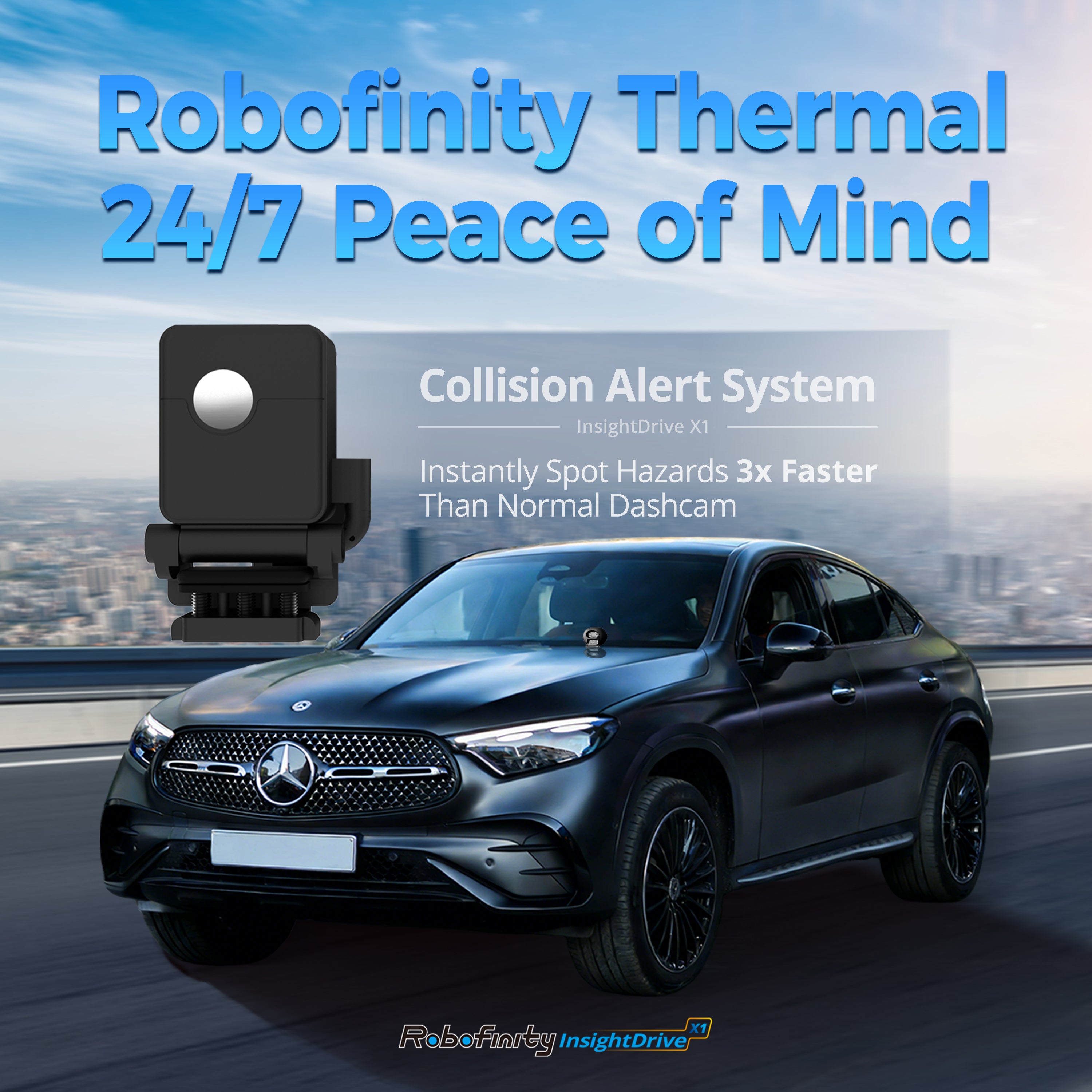
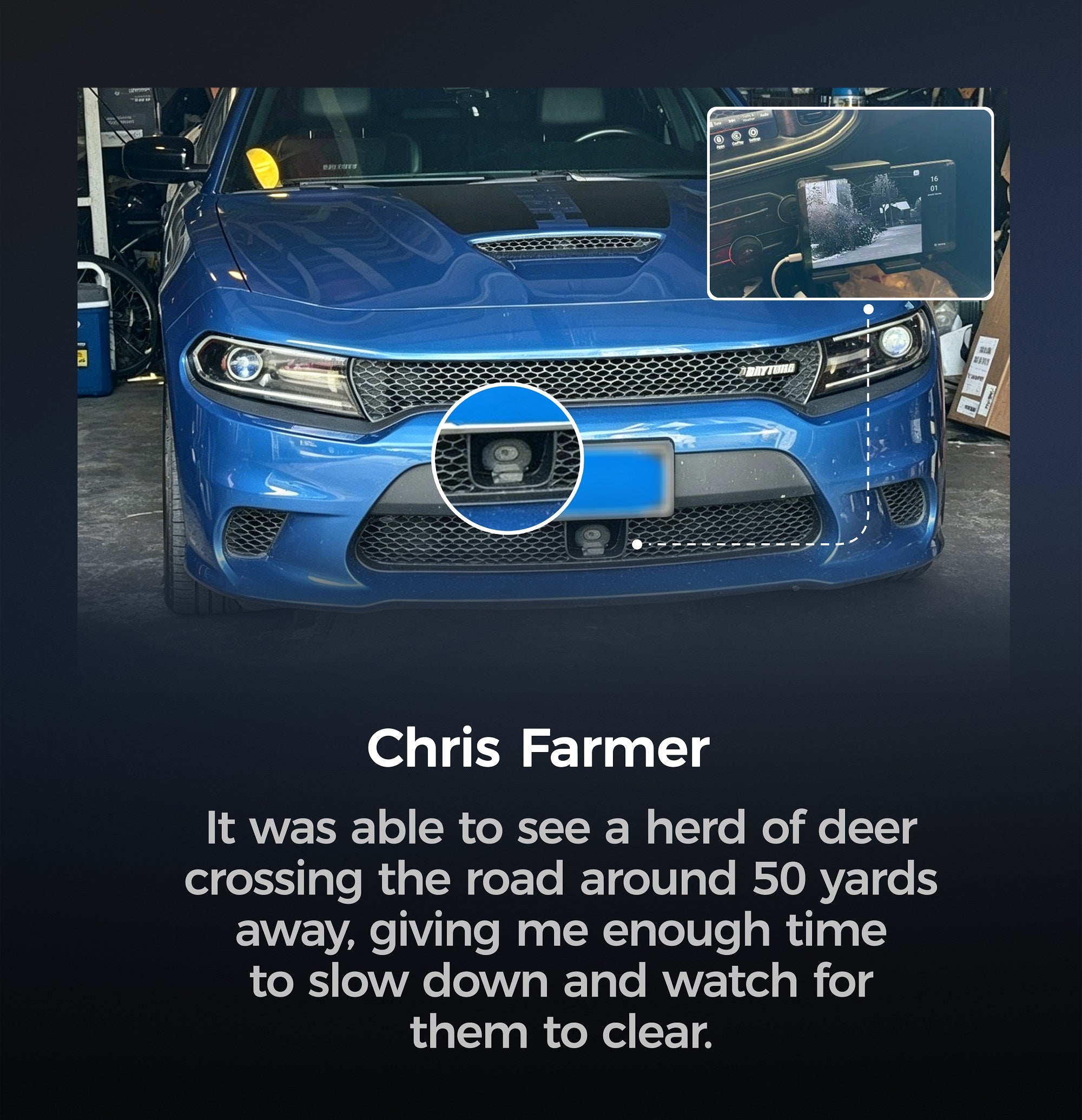
Wildlife collisions involve more than deer. Depending on where you drive, the animals most likely to appear on the road at night include elk, moose, wild boar, black bear, coyotes, and in some regions, livestock. Each presents a different collision risk profile based on size, behavior, and the roads they cross. Infrared animal detection systems use thermal imaging to detect the body heat of any warm-blooded animal within range, regardless of species — giving drivers earlier warning across the full range of wildlife they may encounter. This collection covers the InsightDrive thermal systems for drivers whose routes cross diverse wildlife habitats.
Why Species Matters for Collision Risk
Different animals present different collision risk profiles, and understanding this helps drivers assess how much value thermal detection adds for their specific routes:
- Deer (whitetail, mule deer, roe deer): The most common wildlife collision animal in North America and Europe. Medium-sized, fast-moving, and unpredictable. Detectable at up to 200m with the InsightDrive.
- Elk and moose: Significantly larger than deer and far more dangerous in a collision due to their height — the body mass is at windshield level on most passenger vehicles. Less common than deer but present on mountain and northern routes. Detectable at greater distances due to larger heat signature.
- Wild boar: Common in European forests and increasingly present in North America. Low to the ground and fast-moving; may appear in groups. Active primarily at night.
- Black bear: Present on mountain and forested routes in North America. Large heat signature; detectable at significant distance. Less common on roads than deer but high-consequence in a collision.
- Coyotes and foxes: Smaller animals; detectable at shorter ranges than large ungulates. May appear in suburban-rural interface areas as well as rural roads.
- Livestock: Cattle, horses, and sheep on unfenced rural roads in agricultural areas. Large heat signatures; detectable at distance. Stationary animals on the road surface are a particular hazard at night.
How Infrared Detection Works Across Species
The InsightDrive detects infrared radiation emitted by warm-bodied animals. Detection range varies with animal size — a larger animal with a greater heat-emitting surface area is detectable at greater distance than a smaller animal. The AI classification system identifies detected objects as animals (as distinct from pedestrians or vehicles) and issues collision risk alerts based on trajectory analysis. The system does not distinguish between animal species — it detects warm-bodied animals as a category and alerts based on collision risk regardless of the specific animal type.
Routes Where Multi-Species Detection Is Most Relevant
- Mountain and alpine routes: Elk, moose, bear, and deer all use mountain road corridors. High-consequence collision risk from large animals on winding roads with limited sightlines.
- Agricultural areas: Deer, wild boar, coyotes, and livestock may all be present on or near unfenced rural roads.
- Forest edges and wildlife corridors: Areas where forest meets agricultural land or suburban development have high wildlife movement across roads, particularly at night.
- Northern routes (Canada, Scandinavia, northern US states): Moose are a significant collision hazard on northern routes; their large size and height make collisions particularly dangerous.
Frequently Asked Questions
Does the system detect livestock as well as wild animals?
Yes. The system detects any warm-bodied animal within its field of view, including cattle, horses, and other livestock on or near the road. In agricultural areas where livestock may be on unfenced roads, the system provides the same earlier detection benefit as it does for wildlife.
Are larger animals like moose or elk detected at greater range than deer?
Yes. A larger animal emits more infrared radiation from a larger surface area, which produces a stronger signal at distance. Moose and elk are typically detectable at greater range than deer-sized animals under the same conditions. The stated 200m detection range applies to deer-sized animals; larger animals may be detectable at greater distances.
Does the system work in forested areas where animals may emerge suddenly from tree cover?
The system detects what is within its forward field of view. An animal behind dense tree cover is not detectable until it moves into the camera’s line of sight. On roads bordered by dense forest, the detection advantage is most significant on straight sections where the camera has a clear forward view. The system provides earlier warning than headlights on open sections but cannot detect animals that are fully concealed by vegetation.
Is the system useful in areas with both wildlife and livestock risk?
Yes. The system detects all warm-bodied animals regardless of whether they are wild or domestic. Drivers on rural routes that cross both wildlife habitat and agricultural land with unfenced livestock benefit from detection coverage across both animal categories.
Browse the detection systems in this collection. Contact Robofinity for vehicle compatibility questions before ordering.
フィルター
2 製品