
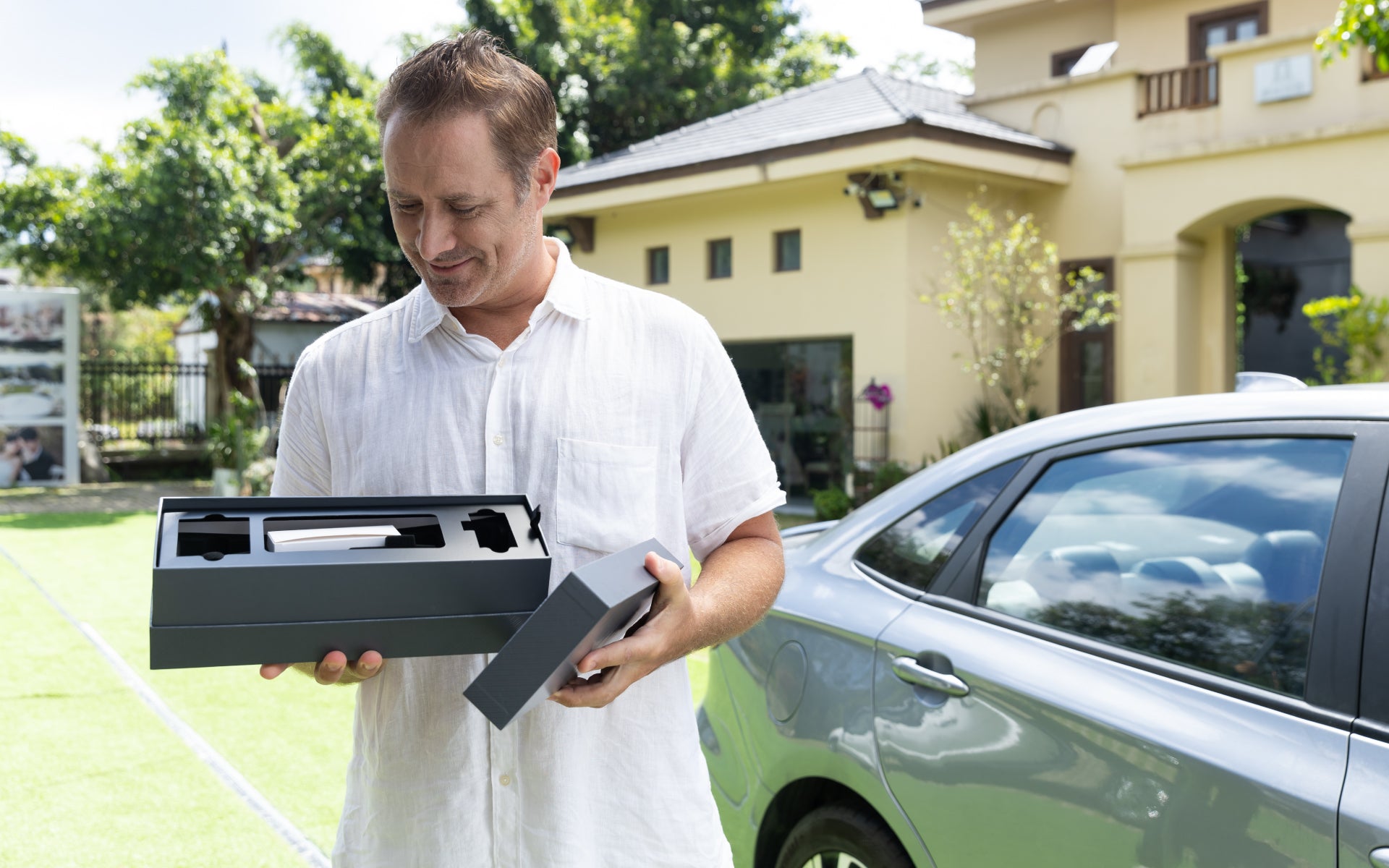
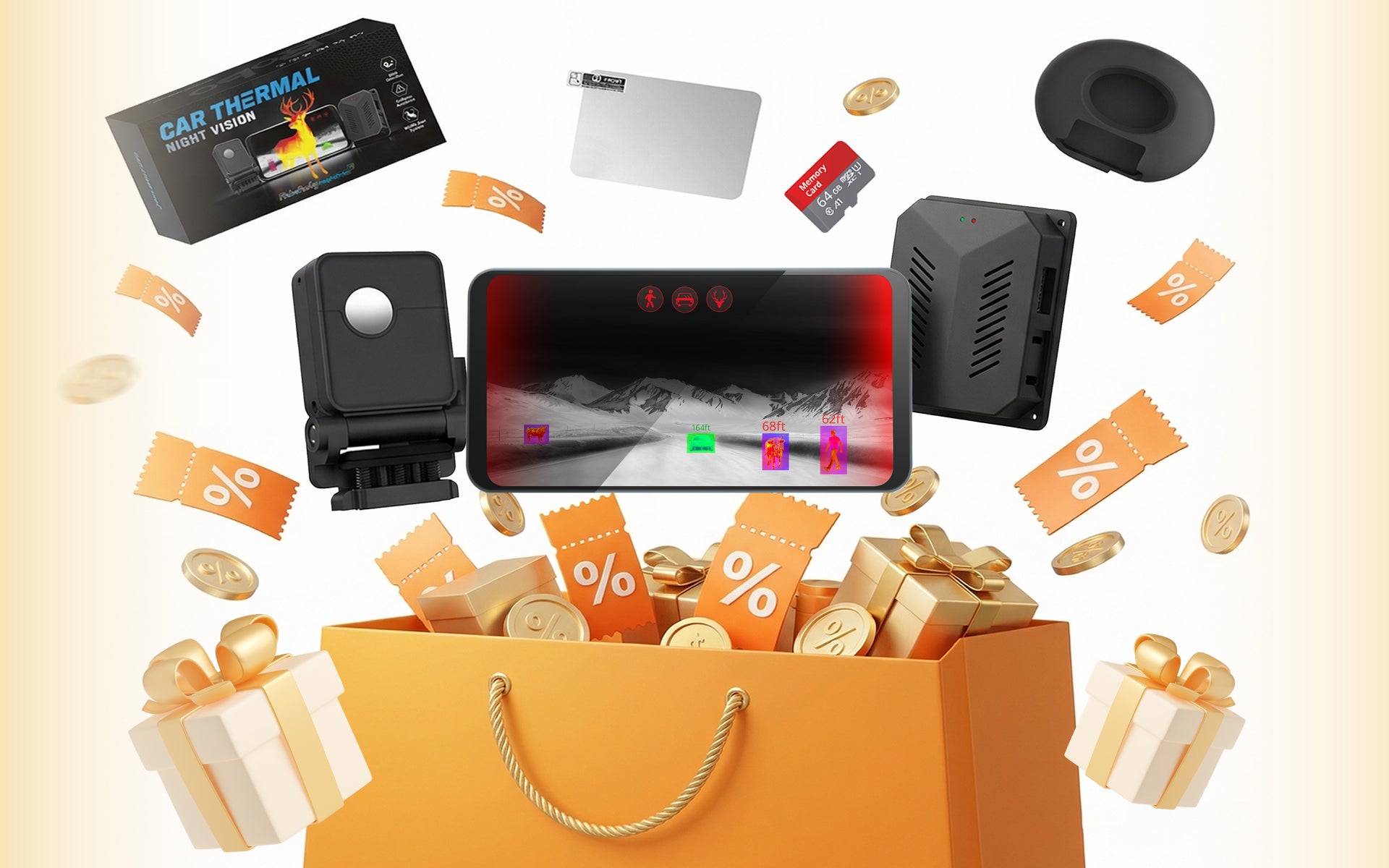


Here is WJ Cox's experience.
I own a small restoration company specializing in fire- and water-loss claims on Maryland's Eastern Shore near the Chesapeake Bay. Recently, I started serving two small island communities that are only accessible by boat. When we get a call, we sometimes have to cross the water at night in poor—and occasionally dangerous—visibility.
I've tried low-light marine cameras before, including the BoatEye 360 and several other systems. They work under certain conditions, but total darkness combined with scattered shoreline lighting can overwhelm the image and make it difficult to see anything useful. Better marine thermal systems are available, but their cost puts them out of reach for most small operators.
When I saw Robofinity InsightDrive, even though it was designed for automobiles, I thought, "I'm going to take a chance and try it on the boat."
My goal wasn't to redesign the system. I wanted to build a protective housing and a practical mounting solution that would let me use the existing hardware in a harsh marine environment. My biggest concern was protecting the electronics from saltwater.
 At first, I considered permanently mounting everything inside a waterproof electrical box and routing all the wiring through the boat. That would have protected the equipment, but it also would have made the system difficult to remove or use somewhere else. Eventually, I decided to build a portable setup instead.

The AI processor and converter are mounted inside a waterproof enclosure, while the camera uses a 1.5-inch ball mount with a clamp so I can move it wherever I need it. The enclosure holds the wiring, charging adapters, mounting hardware, and even the supplied display. More recently, I simplified things even further by connecting wirelessly through my iPhone and then displaying the camera feed on my 12-inch Lowrance HDS Live. That let me use a much smaller enclosure while keeping the original system intact.

My first experience with InsightDrive was on the boat. I temporarily mounted it to the hardtop, adjusted the viewing angle, and headed out to see how it would work alongside my radar and chartplotter.
I found it to be a great supplemental navigational aid.
It identified other boats as vehicles. As I came back into the marina, it also picked up a car traveling on shore and recognized people standing on the dock. Once I understood what the AI was identifying and how it displayed that information, it became very useful.
For a system that was never designed or advertised for marine use, I thought it performed remarkably well, especially considering it costs only a fraction of a dedicated FLIR marine system.

I'm not recommending that anyone mount an automotive unit on a boat or use it outside its intended purpose. That was my own decision and my own experiment. I knew I was taking a chance, but I'm glad I did.

After spending some time with it on the boat, I moved it into my work truck. I've now been driving with it for several days, learning the settings and getting used to the information it provides.
One morning, I had the opportunity to use it in heavy fog with very poor visibility. I was able to recognize oncoming vehicles and pedestrians before they became visible to my naked eye. The company's claim about gaining an extra two or three seconds of awareness turned out to be accurate. Until you experience it yourself, two or three seconds may not sound like much, but in limited visibility it can make a considerable difference.
Right now, my boat is out of the water for routine maintenance, which has given me time to continue refining the protective housing and mounting system before putting everything through another sea trial. I'm looking forward to testing the completed setup under real nighttime conditions and sharing more video once I've had the chance.
This was money well spent. In fact, I've been impressed enough that I plan to purchase another InsightDrive for our Bronco 4×4.
If you're on the fence about it, I understand. It's a significant investment. But for what it offers at a fraction of the cost of many comparable systems, I think it performs exceptionally well. The AI processor adds another layer of useful information, and in poor visibility, those extra few seconds really can make all the difference.

댓글 남기기
모든 댓글은 게시 전 검토됩니다.
이 사이트는 hCaptcha에 의해 보호되며, hCaptcha의 개인 정보 보호 정책 과 서비스 약관 이 적용됩니다.