
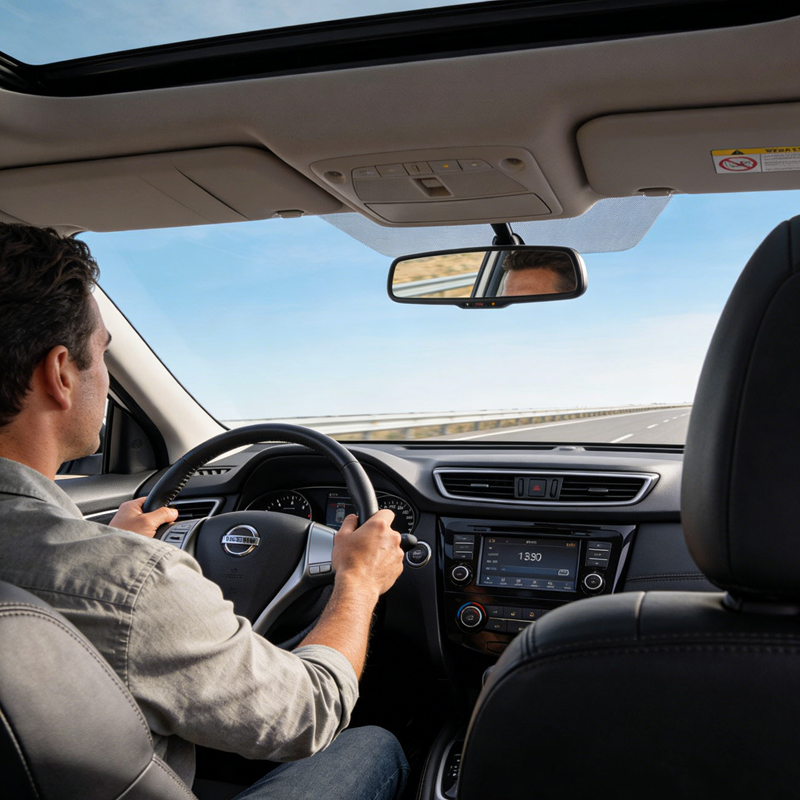
Road safety is not just a set of guidelines; it's a commitment to protecting lives every time you get behind the wheel. For every driver, from the new teen driver to the seasoned veteran, understanding and practicing fundamental road safety rules is the cornerstone of preventing accidents. This comprehensive guide breaks down the ten most critical driving safety rules that can dramatically reduce your risk on the road. By making these rules second nature, you contribute to a safer driving environment for everyone—yourself, your passengers, and your fellow road safety partners like pedestrians and cyclists.
Following these traffic safety principles isn't just about avoiding tickets; it's about embracing a defensive driving mindset. It's about anticipating potential hazards before they become emergencies. Let's dive into these essential practices that define responsible and safe driving.
1.Always Buckle Up: Your First Line of Defense
Your seatbelt is the single most effective road safety device in your vehicle. It's a simple click that saves lives. In a crash, a seatbelt keeps you securely in your seat. This prevents you from being thrown around inside the car or, worse, ejected through the windshield. Ejection from a vehicle almost always results in severe injury or death. Make it a non-negotiable habit. Buckle up before you even start the engine. Ensure every passenger, in every seat, is also properly restrained. This applies to short trips to the grocery store as much as it does to long highway journeys. There is no excuse. This fundamental act of driving safety protects your most valuable asset: your life.
2.Obey Speed Limits: They Are There for a Reason
Speed limits are not arbitrary numbers. They are carefully set based on road safety engineering studies. These studies consider road design, traffic flow, accident history, and pedestrian activity. Driving too fast for conditions is a leading cause of crashes. Higher speeds mean longer stopping distances. They also mean much more severe crash forces. The difference between 30 mph and 40 mph can be the difference between a survivable crash and a fatal one. Speeding gives you less time to react to sudden changes. A child running into the street, a car stopping abruptly, or a deer crossing the road—all these require immediate reaction. Adhering to posted limits is a core traffic safety rule. It shows respect for the law and for the safety of your community.
3.Stay Focused and Avoid Distractions
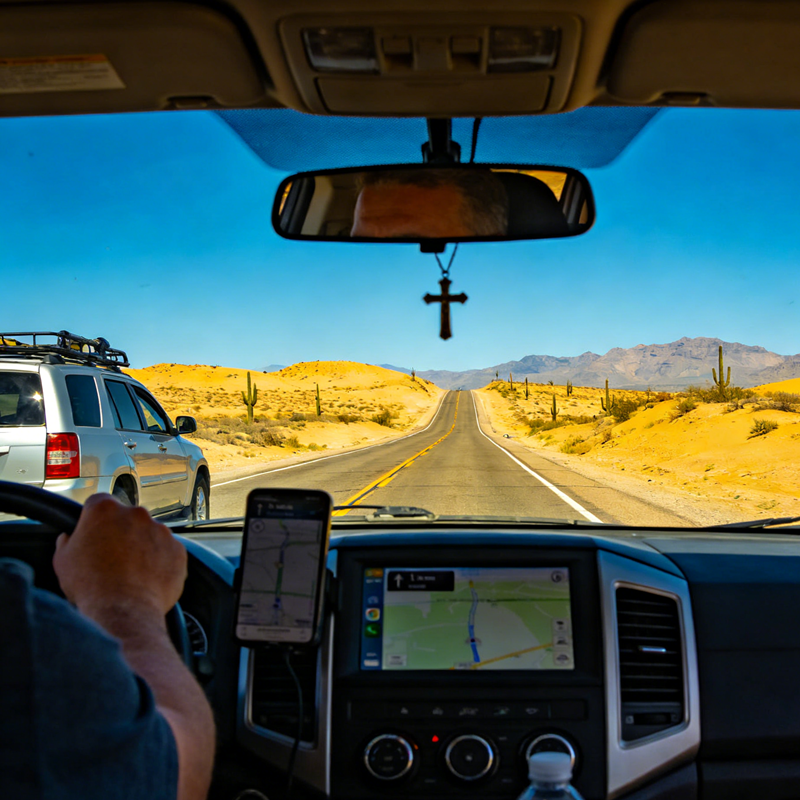
Distracted driving is a modern epidemic. It is a massive threat to road safety. Your primary task when driving is to drive. Anything that takes your eyes off the road, your hands off the wheel, or your mind off driving is a dangerous distraction. The biggest offender is the smartphone. Texting, scrolling, or even hands-free calls can significantly impair your focus. Other distractions include eating, adjusting the radio, or talking to passengers. Practice focused driving. Put your phone on "Do Not Disturb" mode and place it out of reach. Set your GPS and playlist before you start moving. If you need to attend to something, pull over safely. Defensive driving requires your full attention. Protecting road safety demands it.

4.Never Drive Under the Influence
This rule is absolute. Driving under the influence of alcohol, drugs, or certain medications is illegal and deadly. These substances impair your judgment, slow your reaction time, and hinder your coordination. They make you a danger to everyone. Even small amounts can affect your driving ability. There is no "safe" level of alcohol for driving. Plan ahead. If you are going to drink, designate a sober driver, use a ride-share service, or take a taxi. If you are on medication that causes drowsiness or dizziness, do not drive. Upholding this rule is a personal responsibility critical to public road safety. It is a choice that defines a responsible driver.
5.Maintain a Safe Following Distance
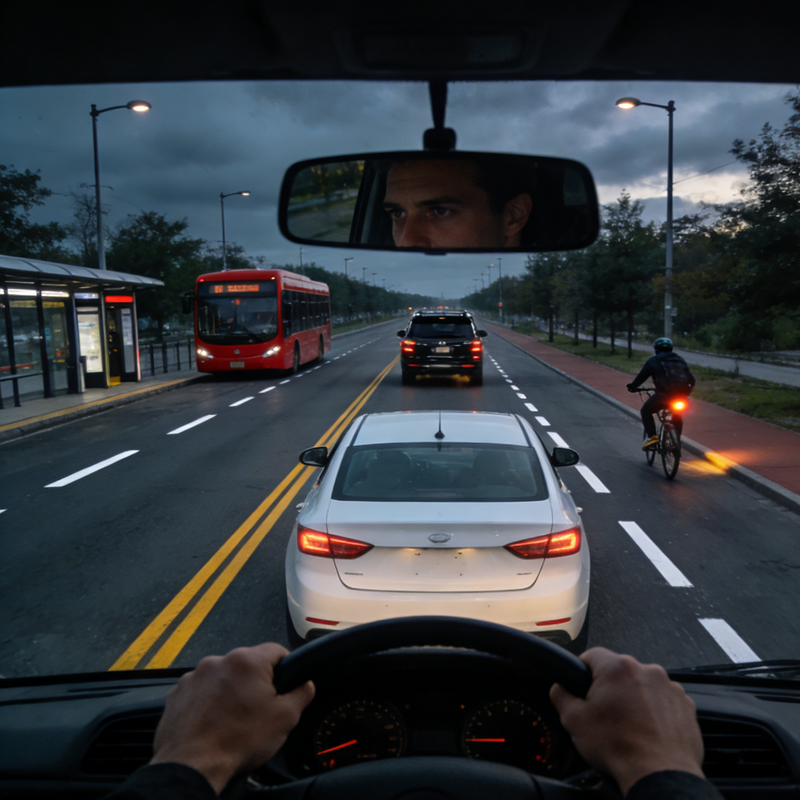
Tailgating is a aggressive and dangerous habit. It leaves you with no time to stop if the car in front of you brakes suddenly. A key driving safety technique is the "Three-Second Rule." Pick a stationary object on the roadside. When the car ahead passes it, start counting: "one-thousand-one, one-thousand-two, one-thousand-three." You should not pass the object before you finish counting. If you do, you are following too closely. In bad weather—rain, snow, fog—increase this to four, five, or even more seconds. For large trucks, increase your distance further. This buffer zone is your space to react. It is a simple practice that greatly enhances traffic safety and prevents rear-end collisions.
6.Use Your Signals and Check Blind Spots
Communication is key to road safety. Your turn signals and brake lights are how you "talk" to other drivers. Always signal your intentions well before you turn or change lanes. This gives others time to react. Do not signal at the last second. However, a signal does not give you the right of way. You must always check. This is where blind spot checks come in. Every car has areas the mirrors cannot show. Before changing lanes, signal, check your mirrors, then quickly glance over your shoulder to ensure the lane is clear. Relying solely on mirrors is a common mistake in driving safety. This simple head check can prevent dangerous sideswipe accidents.

7.Adapt to Weather and Road Conditions
Safe driving means adjusting your behavior to the environment. Slow down in rain, snow, ice, or fog. Increase your following distance dramatically. Turn on your headlights in poor visibility—not just to see, but to be seen. Know your car's limits. Does it have all-season tires or summer tires? Is it front-wheel, rear-wheel, or all-wheel drive? Understanding this helps you make better decisions. In heavy rain, beware of hydroplaning. If you start to skid, stay calm, ease off the accelerator, and steer gently in the direction you want to go. Do not slam the brakes. Proactive adaptation is a hallmark of good road safety judgment.
8.Be Extra Cautious at Intersections
Intersections are hotspots for collisions. They involve crossing paths of traffic. Always approach intersections with caution. Look left, right, and left again before proceeding. Obey traffic signals and stop signs completely—a "rolling stop" is illegal and unsafe. Do not assume you have the right of way just because your light is green. Check for red-light runners or pedestrians. When making a left turn, ensure oncoming traffic is clear. Be patient. A few seconds of caution can prevent a T-bone crash, which is often severe. This vigilant behavior is central to urban traffic safety.
9.Share the Road Respectfully
You are not alone on the road. Road safety is a shared responsibility. Be mindful of motorcyclists, bicyclists, and pedestrians. Give them plenty of space. Motorcycles are smaller and can be harder to see. Always check twice for bikes. When passing a cyclist, move over to the next lane if possible, or leave at least 3 feet of space. Slow down in school zones and residential areas where children may be present. Respect large trucks. They have enormous blind spots and need more space to maneuver. Do not cut in front of them. Courteous and predictable driving reduces conflicts and enhances overall driving safety for all.
10.Ensure Your Vehicle is Properly Maintained
A safe driver needs a safe vehicle. Regular maintenance is a non-negotiable part of road safety. Your car's condition directly impacts its ability to avoid accidents. Check your tire pressure and tread depth monthly. Bald tires are dangerous, especially in wet conditions. Ensure all your lights are working: headlights, brake lights, turn signals. Replace worn wiper blades so you can see clearly in the rain. Get your brakes inspected regularly. Follow the manufacturer's schedule for oil changes and service. A well-maintained car responds better in emergencies. It is a critical component of a comprehensive safe driving strategy.
Embrace Technology for Enhanced Road Safety
While the rules above form the foundation, modern technology offers powerful tools to augment your driving safety. Advanced Driver Assistance Systems (ADAS) like automatic emergency braking and blind-spot monitoring are becoming more common. Another revolutionary technology gaining attention is thermal imaging, especially for night and adverse weather driving.
For instance, products like the Robofinity Car Thermal Night Vision camera are designed to give drivers a critical advantage when visibility fails. Unlike standard headlights that reflect off fog, rain, or snow, thermal imaging sees heat signatures. It can penetrate complete darkness, thick fog, and snow flurries to clearly identify potential hazards on the road ahead.
The Robofinity system uses AI to intelligently distinguish between people, vehicles, and animals, providing the driver with specific audio and visual alerts. The most crucial feature is its collision pre-warning, which can identify a living obstacle up to 200 meters away—far beyond the reach of standard headlights. This gives the driver precious extra seconds to react. The installation is designed to be simple and quick, not requiring complex wiring. By revealing hidden dangers, such technology acts as a true force multiplier for road safety, moving from just reacting to hazards to proactively identifying and avoiding them. It represents the next step in a driver's commitment to safe driving in all conditions.


Leave a comment
All comments are moderated before being published.
Este site está protegido pela Política de privacidade da hCaptcha e da hCaptcha e aplicam-se os Termos de serviço das mesmas.