
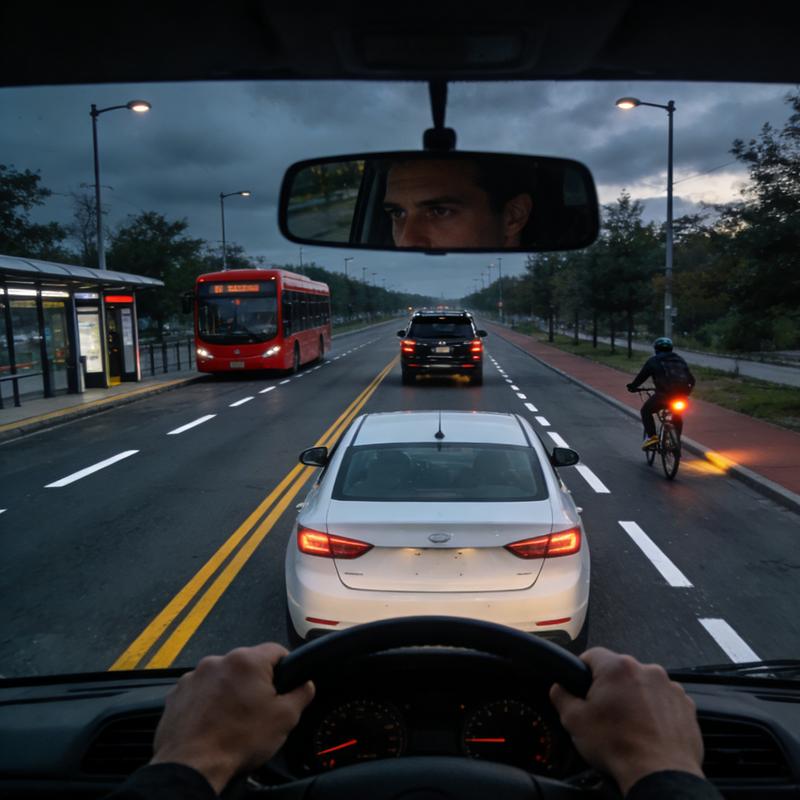
Defensive driving is not just a set of skills; it's a money-saving strategy. If you've ever wondered how your behavior behind the wheel impacts your wallet, you're in the right place. This comprehensive guide will explain exactly how practicing defensive driving can lead to significant savings on your auto insurance premiums. We'll break down the what, why, and how, using simple terms and actionable advice.
Insurance companies love safe drivers. Why? Because safe drivers file fewer claims. Fewer claims mean lower costs for the insurance company. Those savings are often passed on to you in the form of discounts and lower rates. At the heart of safe driving is defensive driving. This proactive approach to being on the road is your golden ticket to proving you're a low-risk driver.
So, what is defensive driving? It's the practice of using driving strategies that minimize risk and help avoid accidents, despite the actions of others or poor conditions. Think of it as driving with a heightened sense of awareness and a plan for every possible hazard. Defensive driving courses teach these techniques, but the mindset is something you can adopt every single trip.
Let's get straight to the point: defensive driving saves you money on insurance in several direct and indirect ways. We will explore each of these avenues in detail, providing you with a clear roadmap to lower your car insurance costs for good.
The Direct Link: Defensive Driving Courses and Insurance Discounts
The most straightforward way defensive driving saves you money is through course completion discounts. Nearly every major insurance provider in the United States offers a discount for drivers who complete an approved defensive driving course.
These courses, often available online or in-person, refresh your knowledge of traffic laws and teach advanced collision-avoidance techniques. By investing a few hours and a small fee (usually between $20-$100), you can qualify for a discount that typically ranges from 5% to 15% on your liability, collision, and personal injury protection (PIP) premiums. This discount can last for three to five years, depending on your state and insurer.
Completing a defensive driving course signals to your insurer that you are committed to safety. It's a tangible certificate that says, "I am actively working to be a better, less risky driver." In some states, taking a defensive driving course can also remove points from your driving record, which leads us to the next major saving.
Keeping a Clean Driving Record: Your Financial Safety Net
Your driving record is your financial report card for insurers. Tickets, accidents, and DUIs are giant red flags that scream "high risk." When you are labeled high-risk, your insurance premiums can skyrocket, sometimes doubling or even tripling.
This is where the consistent practice of defensive driving becomes a financial shield. By anticipating potential dangers—like a car suddenly stopping, a child running into the street, or a driver running a red light—you give yourself time to react safely. This drastically reduces your chances of being in an at-fault accident or making a panic-induced mistake that leads to a traffic violation.
A clean driving record, maintained through defensive driving habits, keeps your base insurance rate as low as possible. Over a lifetime of driving, this can save you tens of thousands of dollars compared to a driver with a spotted record.
Avoiding Accidents and the "Claim Surcharge"
Even if an accident isn't your fault, filing a claim can sometimes lead to a future rate increase. However, at-fault accidents are the real budget-busters. Most insurers will apply a "surcharge" after an at-fault accident, which is an extra fee added to your premium for typically three to five years.
Defensive driving is your best tool to avoid causing an accident. Techniques like maintaining a safe following distance (the 3-second rule), constantly scanning your surroundings, and being cautious at intersections are all core defensive driving principles that prevent collisions.
Think of it this way: The average at-fault accident can increase your annual premium by over $700. If that surcharge lasts for three years, you're paying an extra $2,100. One avoided accident through defensive driving more than pays for a lifetime of vigilance.

Qualifying for Top-Tier Safe Driver Programs
Beyond basic discounts, many insurers have elite safe driver programs. Names like "Allstate's Safe Driving Bonus," "State Farm's Steer Clear," or "Progressive's Snapshot" reward the safest drivers with their very best rates and bonus checks.
These programs often use telematics devices or mobile apps to monitor your actual driving habits. They look for hard braking, rapid acceleration, speeding, and the times of day you drive. Guess what? Smooth, predictable, and cautious driving—the hallmarks of defensive driving—is exactly what these devices reward.
By adopting a defensive driving style, you can excel in these programs and unlock the deepest discounts available, sometimes over 30%. This makes defensive driving not just a safety habit, but a profitable one.
Reducing Wear and Tear on Your Vehicle
Defensive driving is smooth driving. It means gradual acceleration, gentle braking, and anticipating stops so you don't slam on your pads. This gentle treatment significantly reduces wear and tear on your tires, brakes, transmission, and engine.
While this doesn't lower your insurance premium directly, it saves you massive amounts of money on maintenance and repairs. It also helps your car last longer and retain more of its value. A well-maintained car with a higher resale value can also affect your comprehensive and collision insurance costs. Furthermore, avoiding breakdowns on busy highways prevents dangerous situations that could lead to accidents.
Core Defensive Driving Techniques That Protect Your Wallet
Let's translate the concept of defensive driving into specific, money-saving actions you can take today:
The 3-Second Following Rule: Always stay at least three seconds behind the vehicle in front of you. In bad weather, make it four or five seconds. This gives you time to react if they brake suddenly, preventing rear-end collisions (a common and costly at-fault accident).
Scanning 10-15 Seconds Ahead: Don't just stare at the bumper in front of you. Look way down the road for brake lights, turn signals, and potential hazards. This early warning system is a core defensive driving tactic.
Eliminating All Distractions: This is non-negotiable. Put your phone away. Set your GPS before you go. A single glance at a text can cost you thousands. Defensive driving requires your full attention, 100% of the time.
Expecting the Unexpected: Assume other drivers will make mistakes. Assume that pedestrian might jaywalk. Assume the car in the next lane might merge without looking. This "what if" mindset prepares you to react calmly and safely.
Driving for the Conditions: Defensive driving means slowing down in rain, snow, or fog. It means increasing your following distance and using headlights appropriately. Speed is a major factor in accident severity and cost.

The Big Picture: Long-Term Financial Benefits of Defensive Driving
The benefits compound over time. A young driver who takes a defensive driving course might get an initial discount. By maintaining a clean record through defensive habits, they avoid the steep premiums that come with tickets and accidents. As they get older, their loyalty and safe history qualify them for even more discounts. They avoid costly repairs and their car retains value. The financial ripple effect of defensive driving is profound.
Furthermore, some insurers offer a "loyalty" or "continuous insurance" discount. The longer you go without a claim—a direct result of defensive driving—the more you save. It builds a history of trust with your provider.
Getting Started: Your Action Plan for Savings
Enroll in a Course: Search for "state-approved defensive driving course" online. Ensure your insurer accepts it before you pay. The small investment has an almost immediate return.
Talk to Your Agent: Call your insurance company and ask, "What specific discounts do you offer for defensive driving or safe driver programs?" Be proactive.
Audit Your Driving: For one week, consciously practice the techniques listed above. Notice how much calmer and more in control you feel.
Consider a Telematics Program: If you're a confident, safe driver, these usage-based programs can be incredibly lucrative. Your defensive driving skills will shine.
Conclusion: An Investment That Pays Back Multiples
Defensive driving is more than a buzzword; it's a financially intelligent lifestyle choice. The initial effort of learning the techniques and changing your habits pays for itself many times over through insurance discounts, avoided rate hikes, lower repair costs, and personal safety. In a world of rising costs, defensive driving offers a reliable, proven path to keeping more of your hard-earned money in your pocket. Start today—your wallet (and your family) will thank you.
While mastering defensive driving techniques is the foundation of safety, modern technology can provide an extra layer of protection and awareness, especially in challenging conditions. This is where advanced vision systems come into play, acting as a constant co-pilot for the defensive driver.
One such innovation is the Robofinity Car Thermal Night Vision Camera. Unlike standard cameras or headlights, this device uses thermal imaging to detect the heat signatures of people, cars, and animals on the road ahead—up to 200 meters away. Its AI intelligence can distinguish between these objects and provide early collision alerts, giving you even more time to react defensively.
The key advantage for the defensive driver is its ability to "see" through visual obstructions like complete darkness, rain, snow, and fog. Where your eyes or a regular camera fail, the thermal imaging system can identify a potential hazard, such as a deer standing on a dark roadside or a pedestrian in a poorly lit crosswalk during a storm. By providing this critical early warning, it perfectly complements the proactive hazard anticipation that is central to defensive driving. With simple, quick installation, it's a practical upgrade that significantly enhances overall driving safety performance, making your defensive driving practice even more effective and giving you greater peace of mind on every journey.



Lämna en kommentar
Alla kommentarer modereras innan de publiceras.
Denna webbplats är skyddad av hCaptcha och hCaptchas integritetspolicy . Användarvillkor gäller.