
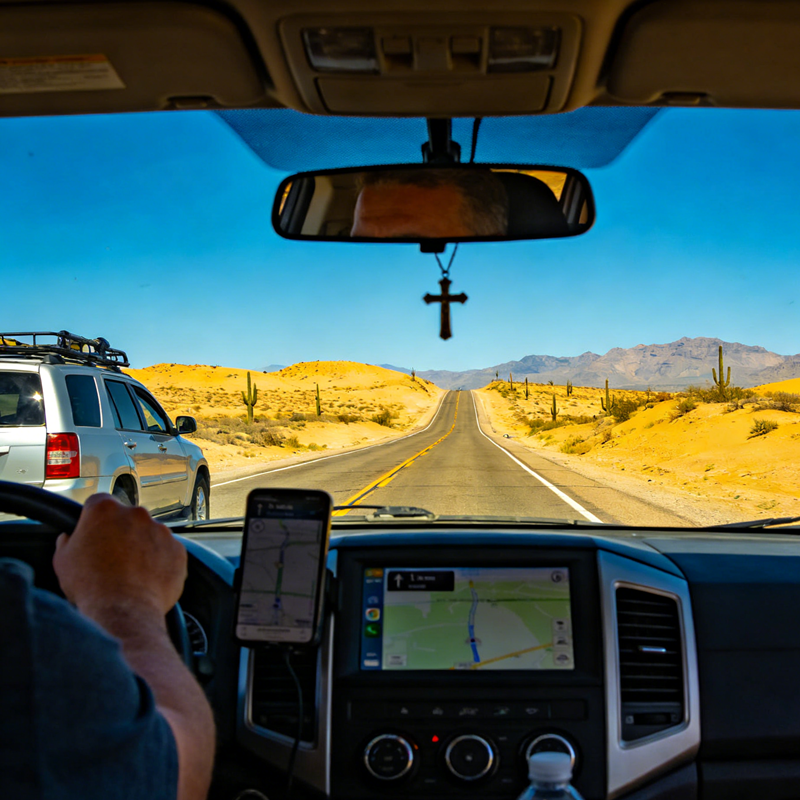
Driving anxiety is a common experience that many new and even seasoned drivers face. That knot in your stomach, the sweaty palms, the constant “what if” thoughts when you think about merging onto a busy highway or driving in heavy rain – it’s all part of driving anxiety. But here’s the good news: driving anxiety can be managed, reduced, and completely overcome. This comprehensive guide is packed with practical, actionable tips to help you transform your driving anxiety into driving confidence. You are not alone in this feeling, and with the right strategies, you can take control.
Understanding Your Driving Anxiety
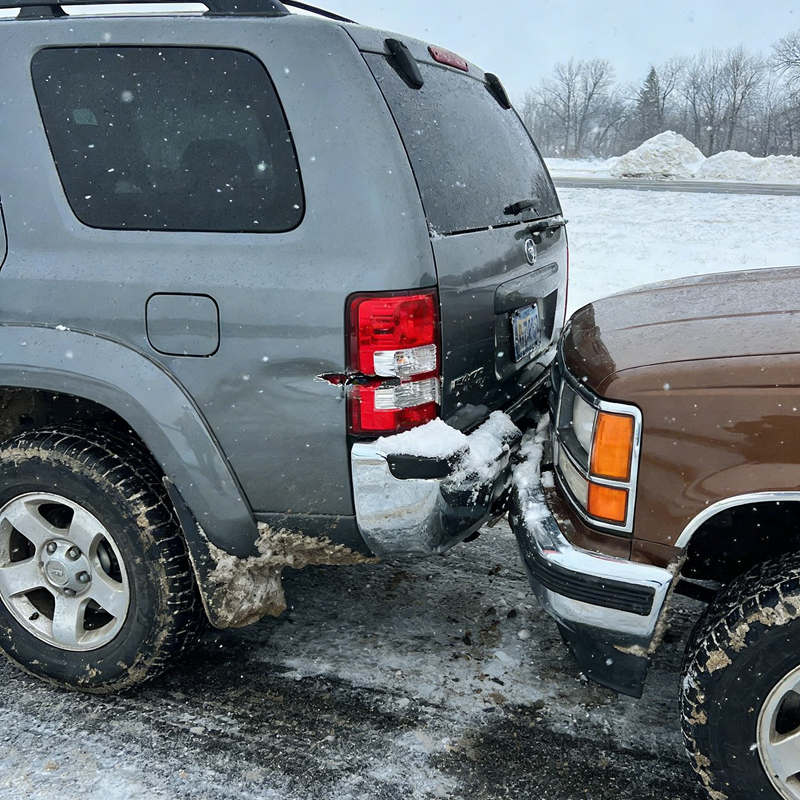
First, let’s name it and understand it. Driving anxiety isn’t a personal failing. It’s a natural response to perceived danger. For new drivers, it’s often due to a lack of experience. For others, a past fender-bender or a close call might have triggered it. Some common triggers include highway driving, night driving, bad weather, heavy traffic, or complex intersections. Recognizing what specifically fuels your driving anxiety is the first powerful step to conquering it. Is it the speed? The feeling of being trapped in traffic? Fear of making a mistake? Write it down. Understanding your unique brand of driving anxiety helps you target your solutions.
Building a Foundation of Confidence Behind the Wheel
Confidence comes from competence. You can’t just wish away driving anxiety. You have to build skills that make you feel in control.
Practice in a Safe “Bubble.” Start small. Don’t jump on the interstate at rush hour. Begin in an empty parking lot. Practice smooth stops, starts, and turns. Then, graduate to quiet residential streets. Drive at times with less traffic, like a Sunday morning. The goal is to slowly expand your “comfort bubble” without overwhelming yourself. Each successful, calm drive is a win against your driving anxiety.
Master Your Vehicle. Knowing your car reduces surprises. Adjust your mirrors and seat perfectly before you start. Understand where all the controls are – lights, wipers, defroster – without having to look. This familiarity turns your car from a source of stress into a tool you command.
Plan Your Route. A huge source of driving anxiety is the unknown. Use your GPS, but also look at the map beforehand. Know which lane you need to be in for your exit. Knowing what’s coming next, like a tricky merge, can cut your anxiety in half before you even leave the driveway.
The Power of the Passengenger Seat. Ask a calm, experienced driver you trust to ride with you. Their presence can be reassuring. They can help navigate or just offer a second set of eyes. Tell them about your driving anxiety so they can be supportive, not critical.

Mental Strategies to Calm Your Nerves
Your mind is a powerful tool. Managing your thoughts is key to managing driving anxiety.
Breathe, Seriously. When you feel driving anxiety rising, focus on your breath. Take slow, deep belly breaths. Inhale for 4 counts, hold for 4, exhale for 6. This simple act tells your nervous system to calm down. It’s a quick reset button you always have with you.
Positive Self-Talk is Key. Replace “I can’t do this” with “I am learning and getting better.” Swap “This traffic is terrifying” with “I am staying alert and in my lane.” Your brain believes what you tell it. Feed it confidence, not fear.
Visualize Success. Before a drive, close your eyes and picture yourself driving calmly and smoothly. See yourself merging confidently, changing lanes safely, and arriving relaxed. Mental rehearsal prepares your brain for success and reduces driving anxiety.
Accept Imperfection. You will make minor mistakes. Everyone does. A slight over-correction, a stall at a light – it’s okay. It doesn’t mean you’re a bad driver. It means you’re human. Forgiving yourself is crucial for long-term confidence. Don’t let a small error feed your driving anxiety.
Advanced Tips for Specific Driving Anxiety Triggers
Let’s tackle the big ones head-on.
Conquering Highway Driving Anxiety: Highways are a major trigger. Start by just driving on the entrance ramp and then getting right off at the next exit. Do this several times. Then, try driving one exit further. Use the right lane – it’s less intense. Remember, everyone on the highway wants a predictable flow. Signal early, check your blind spot, and merge at the speed of traffic. Hesitation causes more problems than a confident merge.
Driving in Rain, Fog, or Snow: Bad weather spikes driving anxiety for good reason. Slow down. Increase your following distance to 5-6 seconds. Use your headlights (not just daytime runners) in rain and fog. Most importantly, if the weather is worse than your skill level, it’s okay to pull over and wait it out. Safety first, always.
Night Driving: Glare from headlights can be stressful. Make sure your windshield is clean (inside and out!) to reduce streaks. Look toward the right edge of the road when facing oncoming bright lights to avoid being blinded. Use the “night mode” on your rearview mirror to dim the glare from cars behind you.
Technology as Your Co-Pilot
Modern technology isn’t just for entertainment. It can be a powerful ally in your fight against driving anxiety, acting as a second set of super-human senses.
Use Driver-Assistance Features. If your car has them, get familiar with Blind Spot Monitoring (BSM) and Lane Departure Warnings. These systems provide helpful alerts that can catch things you might miss, adding a layer of security that can ease driving anxiety.
The Next Level in Awareness. While standard cameras and sensors are great, new advancements offer even greater peace of mind. Imagine a tool that could see clearly through pitch-black darkness, heavy fog, or a blinding snowstorm. Technology that doesn’t just record what happens, but actively helps you prevent incidents by seeing what your eyes can’t.
This is where thermal imaging technology is changing the game for driver safety and confidence. Unlike regular cameras or headlights that need light to work, thermal cameras see heat signatures. This means they can detect the warmth of a person, an animal, or a stalled car long before your headlights ever catch them.
For a driver working to overcome driving anxiety, especially anxiety related to night driving or poor weather, this kind of proactive information is invaluable. It transforms an uncertain, stressful situation into one where you have clear, advanced awareness. You gain precious extra seconds to react calmly and safely, which is the ultimate confidence-builder. Knowing you have the most advanced visibility possible, in literally any condition, can significantly quiet the “what if” thoughts that fuel driving anxiety.

Final Road to Success
Overcoming driving anxiety is a journey, not a race. Be patient with yourself. Celebrate every small victory. A calm drive to the grocery store is a win. A successful highway merge is a win. Each win builds your confidence and shrinks your driving anxiety.
Remember, the goal isn’t to become a perfect driver. The goal is to become a calm, confident, and safe driver. You have the power to shift from white-knuckling the wheel to comfortably cruising. Take these tips, start small, and trust the process. Your confident drive is ahead.
Taking Night and Bad Weather Confidence to the Next Level
We talked about using technology as a co-pilot. For drivers who are serious about eliminating blind spots and gaining supreme confidence in the most challenging conditions, specialized equipment exists. Think of it as the ultimate safety upgrade for your vehicle, specifically designed to address the core fears behind driving anxiety in darkness and storms.
Products like the Robofinity Thermal Night Vision Camera move beyond basic dash cams. By using advanced thermal imaging, it acts like a constant forward scout for your car. Its AI doesn’t just record video; it intelligently recognizes heat signatures of pedestrians, cyclists, animals, and other vehicles, giving you an audible and visual heads-up. The key benefit? It penetrates total darkness, rain, snow, and fog, seeing potential hazards up to 200 meters ahead—far beyond the reach of your headlights. This means you might get a warning about a deer near the roadside or a person in a dark crosswalk long before you’d ever see them yourself.
For someone actively working to conquer driving anxiety, knowing you have this extra layer of protection can be transformative. The simple, quick installation means you can add this peace of mind to almost any vehicle. It’s not just about recording trips; it’s about proactively enhancing your situational awareness, giving you back those crucial seconds to react calmly. Ultimately, tools like this are about turning the most anxiety-inducing driving scenarios into situations you feel prepared and equipped to handle, making safety a truly integrated part of your drive.

Lämna en kommentar
Alla kommentarer modereras innan de publiceras.
Denna webbplats är skyddad av hCaptcha och hCaptchas integritetspolicy . Användarvillkor gäller.