




Road accident prevention is a goal every driver should take seriously. It’s not just about following rules. It’s about creating habits that keep you, your passengers, and others on the road safe. Every trip to the store, commute to work, or family road trip needs a focus on safety. Good road accident prevention strategies are simple, consistent, and powerful. This guide will walk you through seven effective, real-world tips. These tips are easy to understand and apply. They can dramatically lower your risk of being in a crash. Let’s make our roads safer for everyone.
Why Focus on Road Accident Prevention?
Before we dive into the tips, let’s talk about why this matters. Car accidents are a leading cause of injury worldwide. But here’s the key point: most are preventable. Yes, you read that right. Most crashes don’t have to happen. They result from choices, distractions, or simple lapses in judgment. By committing to road accident prevention, you take control. You move from being a passive driver to an active guardian of safety. This mindset is the first and most crucial step. It’s the foundation for all the practical advice that follows.
Tip 1: Master Defensive Driving – Your First Line of Defense
Defensive driving is the core of all road accident prevention. It means you drive not just for yourself, but for everyone else’s mistakes too.
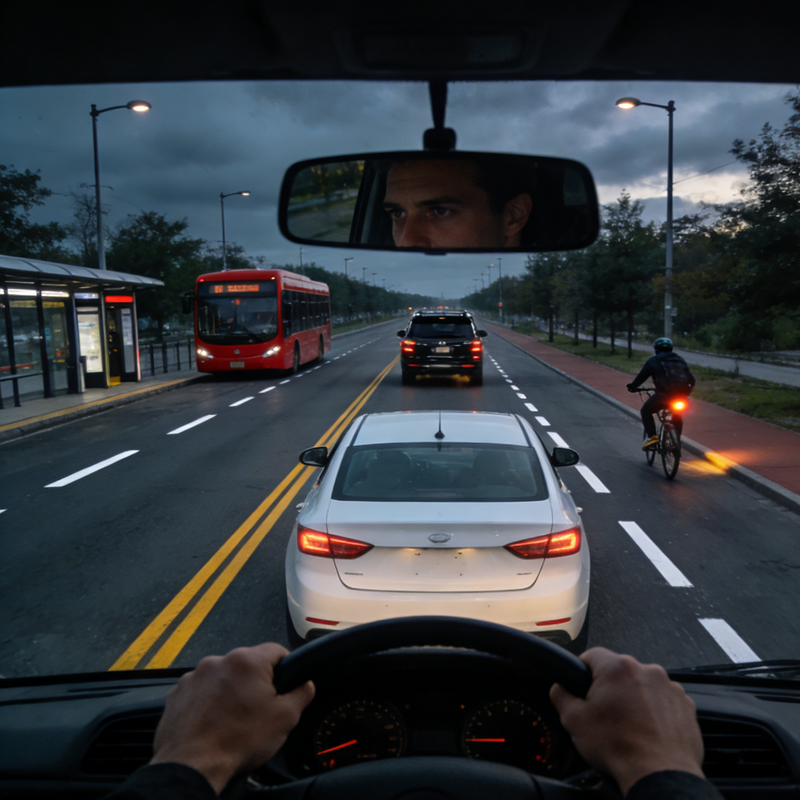
Always Look Ahead and Scan. Don’t just stare at the car in front of you. Look 10-15 seconds down the road. Check your mirrors every 5-8 seconds. Watch for brake lights, turn signals, and people on the sidewalks. This early warning gives you time to react.
Keep a Safe Following Distance. The “3-second rule” is a lifesaver. Pick a landmark. When the car ahead passes it, count “one-one thousand, two-one thousand, three-one thousand.” You should pass the same spot after three seconds. In bad weather, make it 4 or 5 seconds. This space is your cushion.
Expect the Unexpected. Assume other drivers might run a red light, switch lanes without looking, or stop suddenly. Have a mental “escape plan” – where could you steer if needed? This proactive thinking is vital for accident prevention.
Tip 2: Eliminate Distractions – Your Phone Can Wait
Distracted driving is a huge danger. True road accident prevention means your eyes and mind are on the road, 100% of the time.
Put Your Phone Out of Reach. Use “Do Not Disturb While Driving” mode. Better yet, put it in the glove box or back seat. If you need GPS, set it up before you move.

Pre-Set Everything Before Driving. Adjust your seats, climate control, mirrors, and radio playlist before you put the car in drive. Eating, drinking, or fiddling with complex controls while moving is risky.
Secure Passengers and Pets. Make sure kids are properly buckled. Pets should be in a carrier or harness. A moment of distraction to deal with chaos inside the car can lead to a disaster outside.
Tip 3: Never Drive Impaired – It’s Never Worth the Risk
This tip is non-negotiable for serious road accident prevention. Impaired driving slows your reaction time and clouds your judgment.
Zero Alcohol if Driving. Even one drink can affect your ability. Designate a sober driver, use a rideshare app, or stay put. There are no exceptions.
Understand Medication Side Effects. Many prescription and over-the-counter drugs cause drowsiness or dizziness. Read the labels carefully. Ask your doctor or pharmacist, “Can I drive safely while taking this?”
Drive Rested, Not Drowsy. Drowsy driving can be as bad as drunk driving. If you’re yawning, can’t remember the last few miles, or are drifting lanes, it’s time to stop. Find a safe place to take a 20-minute nap or switch drivers.
Tip 4: Maintain Your Vehicle – A Safe Car is a Predictable Car
Your car is your partner in safety. Poor maintenance is a hidden threat to road accident prevention.
Check Your Tires Monthly. Bald tires are a major cause of crashes, especially in rain. Use the penny test: insert a penny into the tread with Lincoln’s head down. If you can see all of his head, your tires are too worn. Also, keep them properly inflated.

Make Sure You Can See Clearly. Replace worn windshield wipers every 6-12 months. Top up your windshield washer fluid. Keep your windows, mirrors, and headlights clean. Good visibility is a simple but powerful accident prevention tool.
Listen to Your Car. Strange noises, warning lights on the dashboard, or changes in how the car handles are cries for help. Get them checked by a mechanic promptly. Don’t ignore small problems; they can become big, dangerous ones.
Tip 5: Adjust to Weather and Road Conditions
A key part of road accident prevention is knowing that your driving must change when the environment does.
Slow Down in Rain, Snow, and Fog. Speed limits are for ideal conditions. Rain makes roads slick, especially in the first hour when oil rises. Snow and ice require extreme caution and much slower speeds. Fog drastically cuts visibility.
Increase Your Following Distance. As mentioned, your safe 3-second gap should grow to 4, 5, or even 6 seconds in bad weather. This gives you more time to stop safely.
Use Your Lights Correctly. Turn on your headlights in rain, fog, or at dusk so others can see you. Avoid using high beams in fog or heavy snow; the light will reflect back and blind you.
Tip 6: Buckle Up and Secure All Passengers
This is the simplest, most proven form of road accident prevention. Seat belts save lives, period.
Make It a Non-Negotiable Habit. Buckle up before the car moves, every single time, for every seat. The driver is responsible for ensuring all passengers are buckled.
Use Proper Child Restraints. Babies and toddlers need rear-facing or forward-facing car seats. Older children need booster seats until the seat belt fits them correctly (usually around 4’9” tall). This is a critical layer of protection.
Seat Belts Work with Airbags. Airbags are designed to work with a seat belt, not replace it. An unbelted person can be thrown into a deploying airbag, causing serious injury.
Tip 7: Use Modern Safety Technology as Your Co-Pilot
Today’s cars and aftermarket devices offer amazing tools for road accident prevention. Think of them as an extra set of eyes and a safety net.
Learn Your Car’s Safety Features. Do you have Anti-lock Brakes (ABS), Electronic Stability Control (ESC), or Blind Spot Monitoring? Read your manual. Understand what these features do and how they help you.
Leverage Driver-Assist Systems. Features like Automatic Emergency Braking (AEB), Lane Departure Warning, and Adaptive Cruise Control can prevent or lessen the severity of a crash. They are fantastic aids for accident prevention.
Consider Advanced Aftermarket Safety Tech. For ultimate awareness, especially in challenging conditions, new technologies go beyond standard headlights and cameras. For instance, thermal imaging cameras can detect the heat signatures of people, animals, and vehicles through total darkness, heavy fog, or snowstorm—far beyond the range of your headlights. This kind of technology provides an early warning system that truly enhances road accident prevention by seeing the unseen.
Road Safety in the Dark: Seeing the Unseen
Speaking of advanced technology, one of the toughest challenges for road accident prevention is driving in poor visibility. Night driving, fog, and rain drastically reduce your reaction time. Your headlights are limited. This is where innovation steps in to fill the gap. Products like the Robofinity Car Thermal Night Vision are game-changers. Think of it as a superpower for your car. Using a thermal (heat-sensing) camera, it can identify the shape of a person, a car, or an animal on the road up to 200 meters away, long before your eyes can see them. It works in pitch darkness and can “see through” visual obstructions like light fog, snow, and rain because it detects heat, not light. The AI gives you an early audio and visual alert, prompting you to slow down or steer clear. The installation is designed to be simple and quick for most vehicles. By adding this layer of proactive detection, you’re not just reacting to dangers; you’re anticipating and avoiding them, taking your commitment to road accident prevention to the next level.

Conclusion: Your Journey to Safer Driving Starts Now
Road accident prevention is an ongoing practice. It’s a series of smart choices you make every day. Start by adopting one or two tips from this list. Master them, then add another. Remember, the goal is to build a set of safe habits that become automatic. By being a defensive, focused, and prepared driver, you protect what matters most. You become part of the solution for safer roads. Share these tips with your family and friends. Let’s all do our part to make every journey a safe one.


Leave a comment
All comments are moderated before being published.
This site is protected by hCaptcha and the hCaptcha Privacy Policy and Terms of Service apply.