
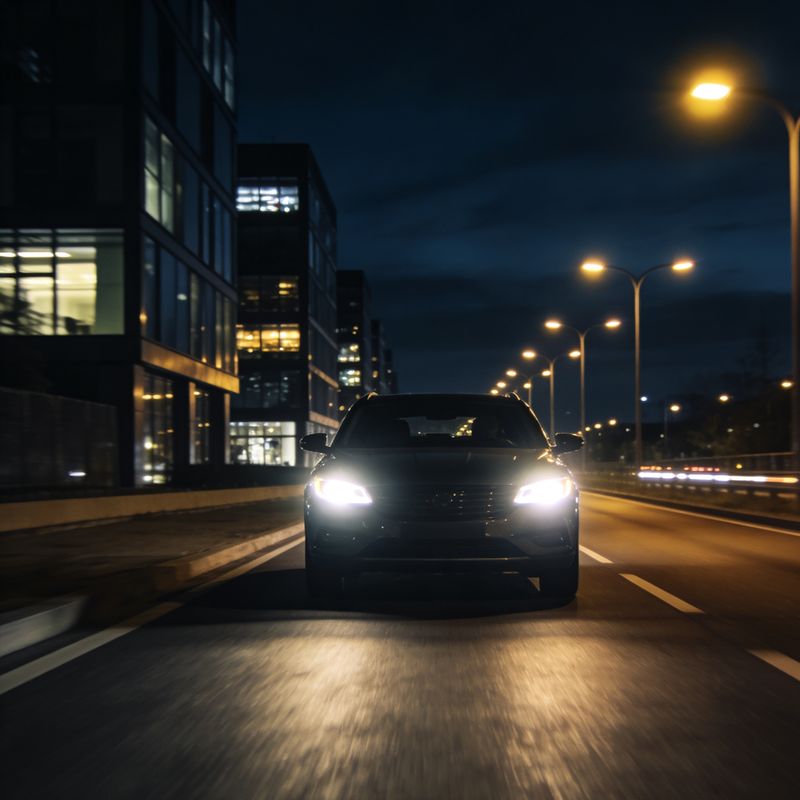
Nighttime driving is a part of life for most of us.
Maybe you commute home after a long day at work. Perhaps you’re taking a road trip to see family. Or maybe you just need to run to the store after dinner. No matter the reason, driving at night comes with unique risks. The truth is, our vision just isn’t built for it. Darkness reduces our depth perception, color recognition, and peripheral vision. Add in glare from headlights, fatigue, or bad weather, and a simple drive can become stressful and dangerous.
But here’s the good news: you can take control of your safety. It’s not just about being extra careful. It’s about being prepared. The right gear in your car can make a world of difference for nighttime driving safety. This article isn’t about complicated gadgets. We’re talking about five practical, essential items. These items address the core challenges of driving after dark. They help you see better, react faster, and handle emergencies. Let’s dive in and make your next nighttime driving experience a safer and more confident one.
1. Your Headlights: See and Be Seen (The Most Important Item)
Let’s start with the obvious. Your headlights are your primary tool for nighttime driving. They do two critical jobs. First, they light up the road ahead so you can see. Second, they make your car visible to others. This seems simple, but many drivers neglect their headlights.
Here’s what you need to know and do:
- Keep Them Clean and Clear: Dirt, grime, and bug splatter can reduce your headlight output by up to 90%. Imagine driving with only one-tenth of your light! Clean your headlights regularly with glass cleaner. Also, check for yellowing or foggy lenses. This cloudiness scatters light and reduces its effectiveness. You can often restore them with a headlight restoration kit from any auto parts store.
- Check Alignment: Misaligned headlights are a huge problem. They can blind oncoming drivers, which makes nighttime driving dangerous for everyone. They can also point too low, limiting your own view. If your lights seem too dim or other drivers are constantly flashing their high beams at you, get the alignment checked by a professional.
- Use High Beams Wisely: High beams are fantastic for nighttime driving on dark, rural roads. They can nearly double your sight distance. The rule is simple: use them when there’s no oncoming traffic and no car directly ahead of you in your lane. Dim them the moment you see another car’s lights. It’s about courtesy and safety.
- Upgrade Thoughtfully: Are your headlights weak and yellow? Consider an upgrade. Modern LED or HID conversion kits can provide whiter, brighter light that more closely resembles daylight. This improves contrast and reduces eye strain during long night drives. Important: Ensure any upgrade is legal in your state and is properly installed to avoid blinding others.
Bottom Line: Treat your headlights like the safety-critical equipment they are. A few minutes of maintenance can drastically improve your nighttime driving visibility.
2. Top-Tier Tires: Your Only Connection to the Road
At night, you might not see a patch of water, black ice, or debris on the road until you’re right on top of it. When that happens, your tires are the only thing keeping you in control. They are arguably the most important safety feature on your car, especially for nighttime driving.
Why tires are a game-changer for night safety:
- Traction is Everything: Good tires channel water away to prevent hydroplaning. They provide grip on cold pavement. They help you stop suddenly if an animal darts into the road. Worn tires lose all these abilities.
- The Penny Test is Your Friend: Don’t guess your tread depth. Take a Lincoln penny. Insert it into your tire’s tread groove with Lincoln’s head pointing down. If you can see the top of his head, your tread is too low (below 2/32 of an inch). It’s time for new tires. Do this monthly.
- Check Pressure Regularly: Under-inflated tires wear out faster, reduce fuel economy, and, most importantly, hurt handling. They can make your car feel sloppy and unresponsive—a scary feeling during nighttime driving. Check pressure when tires are cold (before driving) at least once a month.
- Consider Season-Specific Tires: If you live in an area with harsh winters, dedicated winter tires are a revelation. Their softer rubber and special tread patterns provide vastly superior grip in snow, ice, and on cold wet roads—conditions common during the long winter nights.
Never, ever compromise on tires. Investing in a good set is an investment in your safety for every single night drive and day drive.

3. Perfectly Adjusted Mirrors & A Clean Windshield
Visibility isn’t just about what’s in front of you. It’s about your entire surroundings. Glare from headlights behind you can be blinding and disorienting during nighttime driving. A dirty windshield turns every oncoming light into a starburst of glare.
Mirror Adjustment to Reduce Blind Spots and Glare:
- Side Mirrors: Most people set them to see the side of their own car. This is wrong. You should see less of your car and more of the lanes next to you. Here’s a simple trick: While sitting normally, lean your head until it almost touches the driver’s side window. Now, adjust the left mirror until you can just barely see the side of your car. Lean to the right, toward the center console, and adjust the right mirror the same way. When you sit back normally, your side mirrors will now cover your traditional blind spots. This is crucial for safe lane changes at night.
- Rearview Mirror: Use the nighttime anti-glare feature! That little tab at the bottom of your mirror? Flip it. It angles the mirror to dim the reflection of bright lights from cars behind you while still allowing you to see. It’s a simple tool that makes a massive difference in comfort and safety for nighttime driving.
Windshield Clarity is Non-Negotiable:
- Clean Inside and Out: Smudges, fingerprints, and haze on the inside of your windshield catch and scatter light from other cars, creating a dangerous glare fog. Use a good glass cleaner and a microfiber cloth to clean the interior glass regularly.
- Replace Worn Wipers: Streaky wipers are terrible at night. They smear light and distort your view. If your wipers chatter, skip, or leave streaks, replace them immediately. Consider beam-style blades for a cleaner wipe.
- Fill the Washer Fluid: You never want to run out of washer fluid when a truck sprays grime onto your windshield during a night drive. Keep it topped up with a fluid that includes a de-icer in winter.
A clear view from every angle is a simple foundation for confident nighttime driving.
4. A Well-Stocked Emergency Kit: Hope for the Best, Prepare for the Worst
A breakdown or a flat tire is inconvenient during the day. At night, it can feel isolating and unsafe. Being prepared transforms this situation from a crisis into a minor hassle. A good emergency kit is essential for nighttime driving safety because it lets you handle problems and stay safe until help arrives.
What to put in your kit:
- High-Visibility Items: This is the most important part for night driving emergencies. Include a reflective safety vest (wear it if you exit the car), reflective triangles or LED flare lights to warn approaching traffic from a distance.
- Light Sources: A powerful flashlight (or two) with extra batteries is a must. A headlamp is even better—it keeps your hands free. Consider adding some glow sticks as a backup.
- Basic Tools & Supplies: Jumper cables, a tire pressure gauge, a basic tool kit, duct tape, and a multi-tool. A first-aid kit is always wise.
- Comfort & Communication: Warm blankets, water, and non-perishable snacks. Keep a portable phone charger (power bank) fully charged in your car at all times. Your phone is your lifeline.
Store this kit in an easy-to-reach place, like the trunk. Just having it brings peace of mind, making you a more relaxed and focused driver during long nighttime driving sessions.
5. An Advanced Driver Assistance System (ADAS) or Backup Camera
Modern technology offers fantastic aids for nighttime driving. While not “items” you toss in a bag, they are essential features to look for in your next car or to add on.
- Automatic Emergency Braking (AEB): This system uses sensors to detect an impending collision with a car, pedestrian, or cyclist. If you don’t react in time, it can apply the brakes automatically. At night, when reaction times are slower, AEB can be a lifesaver.
- Blind Spot Monitoring (BSM): This system lights up an icon in your side mirror when a car is in your blind spot. It’s an excellent second pair of “eyes,” especially on dark, multi-lane highways during nighttime driving.
- A High-Quality Backup Camera: Backing up in a dark driveway or parking lot is tricky. A clear, wide-angle backup camera, preferably with dynamic guidelines, illuminates what your mirrors and eyes can’t see, preventing minor collisions.
While these systems are helpers, not replacements, for an alert driver, they provide a critical safety net that addresses the specific limitations we face when driving at night.

Conclusion: Safety is a Habit
Improving your nighttime driving safety isn’t about one magical trick. It’s about layering these five essentials together. Start with the basics: brilliant headlights, strong tires, and spotless windows. Then, add the preparedness of an emergency kit. Finally, embrace technology that supports you. Make checking these items a regular habit—like checking the weather before a trip.
When you combine preparedness with smart habits—like getting enough rest, slowing down, and increasing your following distance at night—you take back control. You transform nighttime driving from a stressful challenge into just another part of your confident journey.
Taking Nighttime Vision to the Next Level
Speaking of technology that supports you, many safety-conscious drivers and professionals are now looking beyond standard headlights for the ultimate in nighttime driving awareness. Imagine a tool that doesn’t just rely on light, but sees heat. This is where thermal imaging technology comes in.
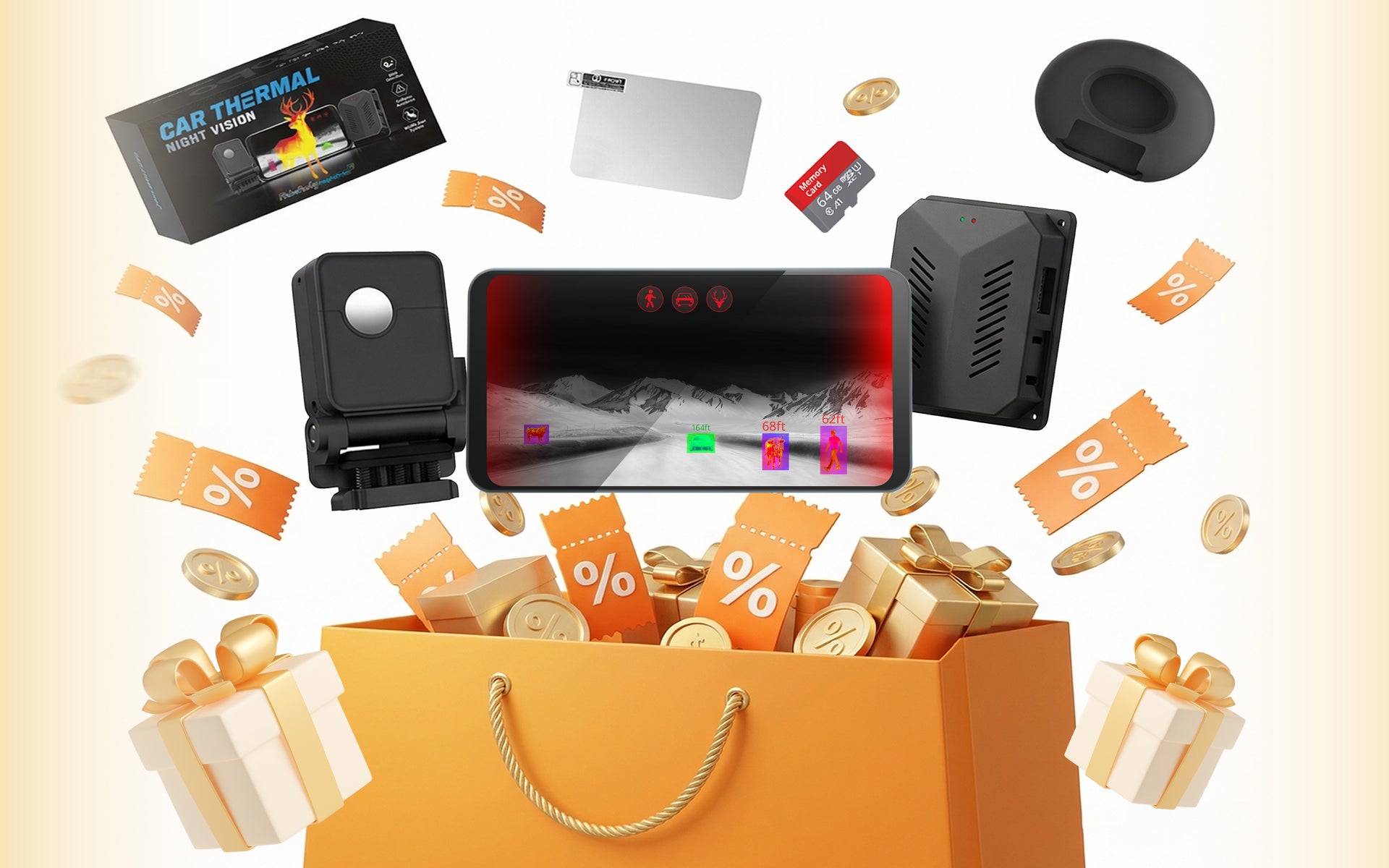
Devices like the Robofinity Car Thermal Night Vision act as a constant co-pilot for the darkest conditions. How does it help? It uses a thermal sensor to detect the heat signatures of objects ahead. This means it can “see” living things—like pedestrians, cyclists, or animals—far beyond the range of your headlights, sometimes up to 200 meters away. Its real power shines in the worst scenarios for nighttime driving: it can cut through total darkness, fog, light rain, and snow, giving you a clear image where your eyes and regular cameras see only a wall of gray.
The AI doesn’t just show a picture; it intelligently highlights potential hazards like people, animals, and vehicles right on your screen and can give you an early audio alert. This gives you those precious extra seconds to react calmly. For those who frequently drive on unlit country roads, in poor weather, or in areas with wildlife, it’s like gaining a superpower for night driving safety. The best part? Modern versions are designed for easy, do-it-yourself installation, plugging directly into your vehicle’s system to provide that crucial extra layer of awareness and help prevent collisions before they happen.


Dejar un comentario
Todos los comentarios se revisan antes de su publicación.
Este sitio está protegido por hCaptcha y se aplican la Política de privacidad de hCaptcha y los Términos del servicio.