


A winter trip offers a unique kind of magic. The world quiets down under a blanket of snow. Landscapes transform into sparkling wonderlands. You can cozy up by a fire, enjoy thrilling sports, and make unforgettable memories. But let's be honest. A successful winter trip also demands more planning than a summer vacation. Cold weather, snow, and ice introduce special challenges. The difference between a dream vacation and a stressful ordeal often comes down to preparation. This comprehensive guide is packed with the best, most practical tips for your winter trip. We will walk you through everything, from packing the right gear to mastering snowy roads. Our goal is to help you stay safe, warm, and happy. Ready to plan an amazing winter trip? Let's dive in.
Why Your Winter Trip Deserves Extra Planning
You might wing a summer beach trip. A winter trip is different. Winter weather is famously unpredictable. A bright, sunny morning can quickly turn into a blinding blizzard. Roads that were clear can become icy in minutes. Good planning isn't just about convenience; it's about safety. It ensures you have the right equipment. It helps you avoid dangerous situations. It turns potential headaches into minor bumps in the road. A well-planned winter trip is a relaxing and joyful experience. A little effort now guarantees a smoother adventure later. Think of this planning as the first step on your exciting winter trip.
Chapter 1: Getting Your Vehicle Ready for the Winter Trip
Your car is your lifeline on a winter trip. Trusting it to handle cold and snow is crucial. Don't wait until the last minute. Give your vehicle a full check-up a week or two before your winter trip.
1. The Importance of Winter Tires.
This is the single most important tip for driving safety on your winter trip. All-season tires are not snow tires. When temperatures drop below 45°F (7°C), all-season tire rubber hardens. They lose grip and flexibility. Winter tires are made from a softer, special compound. They stay pliable in freezing temperatures. Their deep treads and unique patterns are designed to bite into snow and slush. They provide dramatically better traction for braking, cornering, and accelerating. For any serious winter trip into snowy areas, they are a worthwhile investment.
2. Give Your Battery a Check.
Cold weather is brutal on car batteries. It reduces their cranking power. A battery that was fine in the fall might struggle on a freezing morning. Before your winter trip, have a mechanic test your battery's charge and health. Clean any corrosion from the terminals. If your battery is more than three years old, testing is essential. The last thing you want on your winter trip is a car that won't start.
3. Check All Fluids.
Your engine needs the right protection for a winter trip.
- Antifreeze/Coolant: Ensure the coolant mixture is 50/50 antifreeze and water. This prevents the engine from freezing and overheating. A mechanic can check this with a simple tester.
- Windshield Washer Fluid: Empty the summer fluid and fill it with a winter-grade formula. Summer fluid will freeze solid, making it useless. Winter fluid has a lower freezing point and often contains de-icer.
- Oil: Consider switching to a less viscous (lower "W" number) motor oil for the season, as recommended by your vehicle's manual. It flows more easily in cold starts.
4. Inspect Your Lights and Wipers.
Visibility is key on a winter trip.
- Wiper Blades: Replace old, streaky blades. Winter blades are sheathed in rubber to prevent ice and snow buildup. They work much better.
- Headlights and Taillights: Clean them and check that all bulbs are working. You'll be using them a lot during your winter trip, even during the day.
5. Pack a Winter-Specific Emergency Kit.
Hope for the best, but prepare for the worst. This kit is non-negotiable for a winter trip.
- Warmth: A heavy blanket or sleeping bag for each passenger. Extra hats, gloves, socks, and coats.
- Tools & Supplies: A sturdy ice scraper and snow brush. A small shovel (a compact camping shovel works). Sand, cat litter, or traction mats for if you get stuck.
- Safety: Flashlight with extra batteries. Reflective triangles or road flares. A first-aid kit.
- Survival: Bottled water and non-perishable high-energy snacks (granola bars, nuts).
- Miscellaneous: Jumper cables. A portable phone charger (power bank). A basic tool kit.

Chapter 2: Packing Smart for Your Winter Trip
Packing for a winter trip is a science. The goal is to stay warm and dry without being weighed down. The secret? Layers.
1. Master the Layering System.
Forget one bulky sweater. Layers trap warm air and let you adjust easily.
- Base Layer: This touches your skin. Its job is to wick moisture away. Choose synthetic materials (polyester) or merino wool. Avoid cotton. It holds sweat and will make you cold.
- Mid Layer: This is for insulation. It holds in body heat. Think fleece jackets, down vests, or wool sweaters.
- Outer Layer (Shell): This is your shield. It must be waterproof and windproof. A good quality winter coat and snow pants are essential for any active winter trip.
2. Don't Neglect Your Extremities.
You lose most of your heat from your head, hands, and feet.
- Head: A warm beanie or hat is a must. For very cold conditions, a balaclava is fantastic.
- Hands: Waterproof gloves or mittens are best. Mittens (where fingers are together) are often warmer than gloves.
- Feet: Start with a moisture-wicking sock liner. Add a thick wool or synthetic sock over it. Your boots should be waterproof, insulated, and have aggressive tread.
3. Essential Miscellaneous Items.
- Sunglasses & Sunscreen: Snow reflects up to 80% of UV rays. Sunburn and snow blindness are real risks on a sunny winter trip.
- Lip Balm and Lotion: Cold, dry air chaps skin quickly.
- Reusable Water Bottle: Staying hydrated is just as important in the cold.
- Backpack: A daypack is useful for carrying extra layers and water during activities.
Chapter 3: Winter Trip Driving Safety – Your On-the-Road Guide
Driving is often the most challenging part of a winter trip. Conditions change rapidly. Adopting a calm, cautious mindset is vital.
1. Slow Down and Increase Following Distance.
This is rule number one. Speed limits are for ideal, dry conditions. On a winter trip, you must drive for the conditions you see. Reduce your speed significantly. More importantly, increase your following distance from the standard 3 seconds to 8-10 seconds. This gives you a much longer buffer to stop safely.
2. Smooth is Fast.
Avoid sudden movements. Jerky steering, hard braking, and sharp acceleration can break your tires' traction.
- Brake Gently: Apply steady, gentle pressure. If your car has Anti-lock Brakes (ABS), press the pedal firmly and steadily. The system will pump for you.
- Accelerate Slowly: Ease onto the gas pedal to avoid spinning your wheels.
- Steer Smoothly: Make lane changes and turns gradually.
3. How to Handle a Skid.
Even careful drivers can skid on a winter trip. Don't panic.
- If the rear end slides out (fishtail): This is an oversteer skid. Steer in the direction you want the front of the car to go. If the back slides left, steer left. Look where you want to go.
- If the front tires lose grip and you plow straight (understeer): Ease off the accelerator. Do not brake hard. This allows the front tires to regain traction so you can steer.
4. Beware of Black Ice.
Black ice is a thin, transparent coating. It forms on bridges, overpasses, and shaded road sections. It's extremely deceptive and dangerous. If you hit a patch:
- Hold the steering wheel steady.
- Do not brake.
- Lift your foot gently off the accelerator.
- Let your car coast over it until you feel traction return.
5. Always Clear ALL Snow and Ice.
Before you start driving, take 10 minutes to clear your entire vehicle. This includes the roof, hood, all windows, headlights, taillights, and license plates. Snow flying off your roof can blind you or the driver behind you. It's also illegal in many states.
6. Use Your Headlights.
Turn them on whenever you drive during your winter trip, even in daylight. It greatly increases your visibility to other drivers in snow, fog, or gray conditions.

Chapter 4: Planning and Navigating Your Winter Trip Route
Technology is your best friend when planning a winter trip route.
1. Check Weather and Road Conditions Religiously.
Don't just check once. Monitor forecasts in the days leading up to your departure and during your winter trip.
- Weather: Use the National Weather Service (weather.gov) for detailed forecasts and winter storm warnings.
- Roads: Every state's Department of Transportation (DOT) has a website with real-time road conditions, camera views, and chain requirements (e.g., Caltrans for California, WSDOT for Washington). Bookmark these.
2. Have a Flexible Schedule and Backup Plan.
If a major storm is forecast for your travel day, consider leaving earlier or later. Have a backup route in mind in case your primary highway closes. Part of a smart winter trip is knowing when to pause. Be willing to spend an extra night in a town if conditions are bad. It's not a delay; it's a safety decision.
3. Share Your Itinerary.
Tell a friend or family member your detailed winter trip plan. Share your route, destination, and expected arrival times. Check in with them periodically.
Chapter 5: Staying Safe and Healthy During Winter Trip Activities
The fun part of your winter trip! Whether it's skiing, snowshoeing, or building a snowman, stay safe.
1. Know Your Limits.
If you're new to skiing, take a lesson and stick to beginner slopes. Don't venture into backcountry areas without proper training, gear, and a guide.
2. Dress Appropriately and Stay Dry.
Wet clothing loses its insulating properties fast. If you get sweaty during activity, change into a dry base layer. Always pack extra socks.
3. Recognize Cold-Weather Illnesses.
- Frostbite: Affects exposed skin (fingers, toes, nose, ears). Signs include numbness, white or grayish-yellow skin, and skin that feels firm or waxy. Get warm immediately. Gently warm the area with warm (not hot) water. Do not rub.
- Hypothermia: A dangerous drop in body temperature. Signs include intense shivering, slurred speech, confusion, drowsiness, and loss of coordination. This is a medical emergency. Get the person to a warm place, remove wet clothing, and warm them gradually with blankets and skin-to-skin contact. Seek medical help.
4. Stay Hydrated and Nourished.
You burn more calories and can dehydrate quickly in the cold. Drink water regularly. Eat high-energy snacks.
Making Memories on Your Winter Trip
A winter trip creates some of the most beautiful memories. The crunch of snow underfoot, the warmth of a fire after a day outside, the stunning silence of a snowy forest. By following these tips, you put the focus on enjoyment, not stress. You prepare your car, pack smart, drive carefully, and stay aware. This allows you to fully immerse yourself in the magic of the season. Your perfect, safe, and delightful winter trip is within reach. Start planning, stay cautious, and most importantly, have a wonderful time.
A Note on Next-Level Safety for Your Winter Trip:
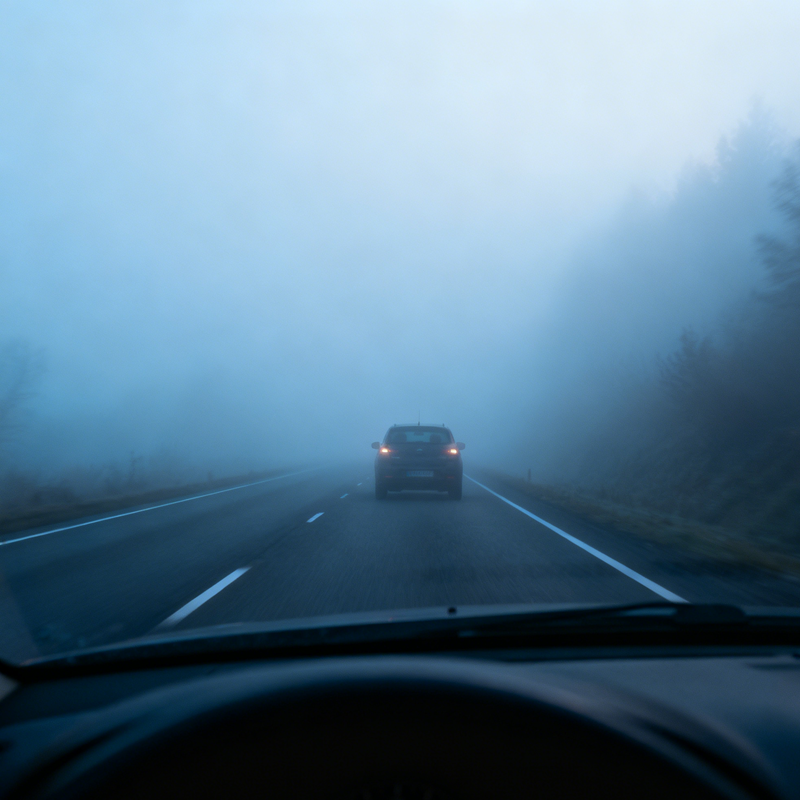
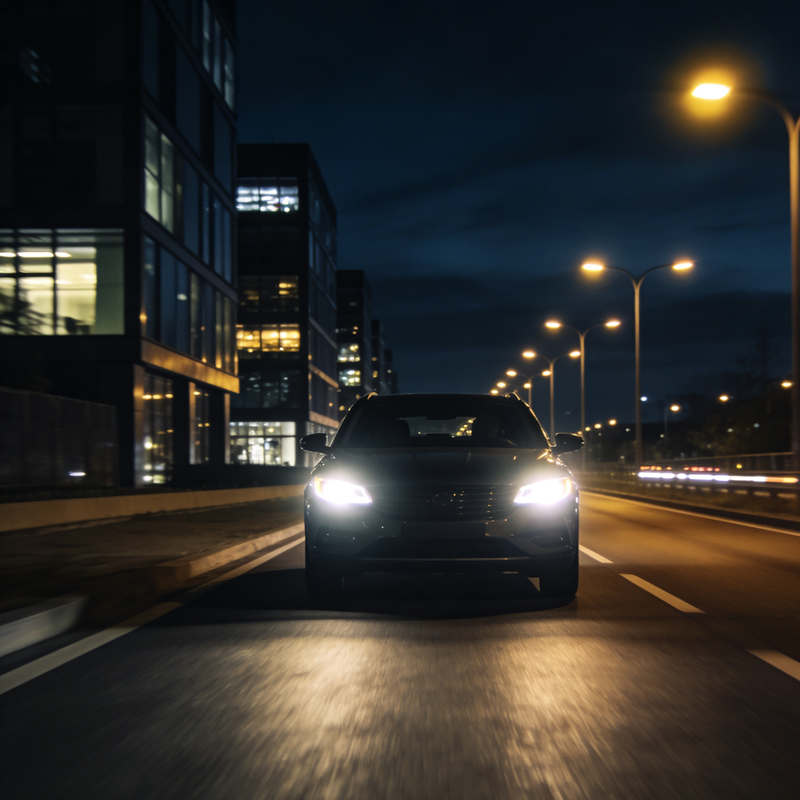
We've talked a lot about preparation and careful driving. But sometimes, winter conditions create hazards that are nearly impossible to see with the naked eye. Fog, Snow, Pitch-black country roads, or a deer hidden in the falling snow at dusk. This is where advanced technology can add a powerful layer of safety to your winter trip. Devices like the Robofinity Car Thermal Night Vision are designed for these exact scenarios. Unlike regular cameras, it uses thermal imaging to detect the heat signatures of people, animals, and vehicles up to 200 meters away. It can see straight through darkness, heavy rain, snow, and fog. The AI doesn't just show you an image; it can alert you to potential collisions with pedestrians, animals, or other cars. For drivers who frequently embark on winter trips or face challenging commutes, it's a remarkably simple add-on that provides incredible peace of mind. It’s like having a co-pilot that can see the invisible, helping you navigate the toughest parts of your winter trip with greater confidence.


Dejar un comentario
Todos los comentarios se revisan antes de su publicación.
Este sitio está protegido por hCaptcha y se aplican la Política de privacidad de hCaptcha y los Términos del servicio.